
The real barrier to digital technologies in our classrooms isn't equipment, curriculum, or time. It's something quieter - and far more fixable.
Ask most kaiako what holds them back from teaching digital technologies, and the answer rarely comes down to just equipment or curriculum documentation. It's something quieter, and more persistent: "I don't feel like I know enough to teach it."
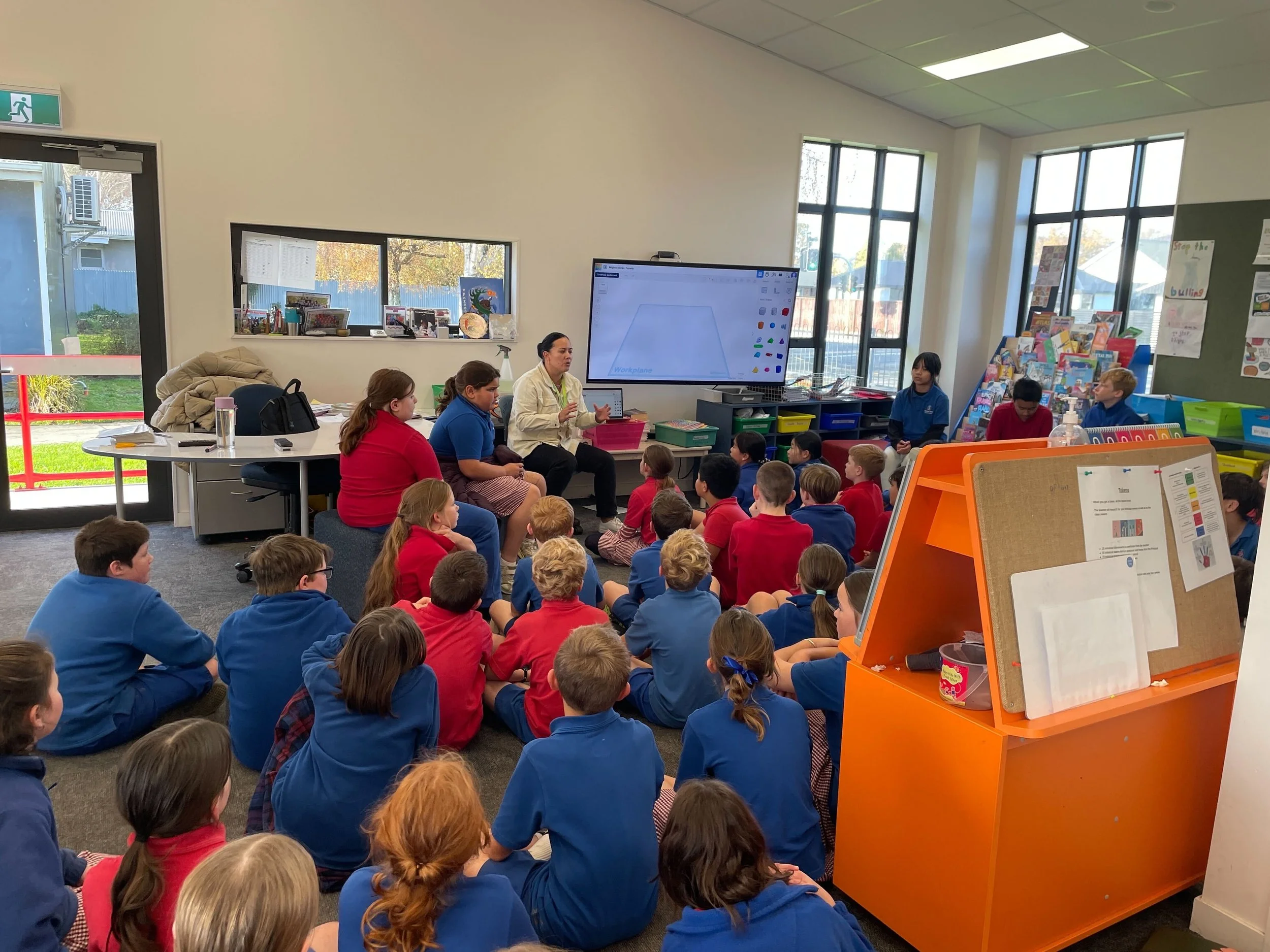
We hear this often in our mahi at Digital Future Aotearoa. And it makes complete sense. The pace of change in the digital world has been extraordinary, and for many kaiako who have spent their entire careers doing meaningful, skilled, deeply human work, the goalposts have shifted faster than any PLD calendar could keep up with. What was once a specialist's domain is now expected of everyone. That's a significant transition, and it doesn't happen automatically just because the curriculum says it should.
But here's what we've come to understand, from years of working alongside kaiako in classrooms: confidence isn't a nice-to-have. It's the actual lever that unlocks everything else. Get that right, and the rest follows.
A shift that happened quietly… and quickly
For a long time, digital technology was considered a specialist subject. Something for the IT teacher, the "tech person," the after-school club. The rest of the school got on with literacy and maths, and everyone knew their lane. There was comfort in that clarity, even if the arrangement left digital learning siloed and inconsistent.
That's changed. The revised Hangarau Matihiko curriculum asks every kaiako, from New Entrant right through to Year 8, to weave digital technologies across all learning areas. Not as a bolt-on unit at the end of term, but as an integrated thread running through teaching and learning in classrooms. At the same time, central government priorities around literacy and numeracy are increasingly pointing to digital platforms and tools as part of the solution, which only heightens the expectation on kaiako to be both pedagogically sound and digitally fluent.
That's a significant ask. Especially when the question many kaiako are quietly carrying isn't just "how do I teach this?" but "am I even the right person to be in this space?"
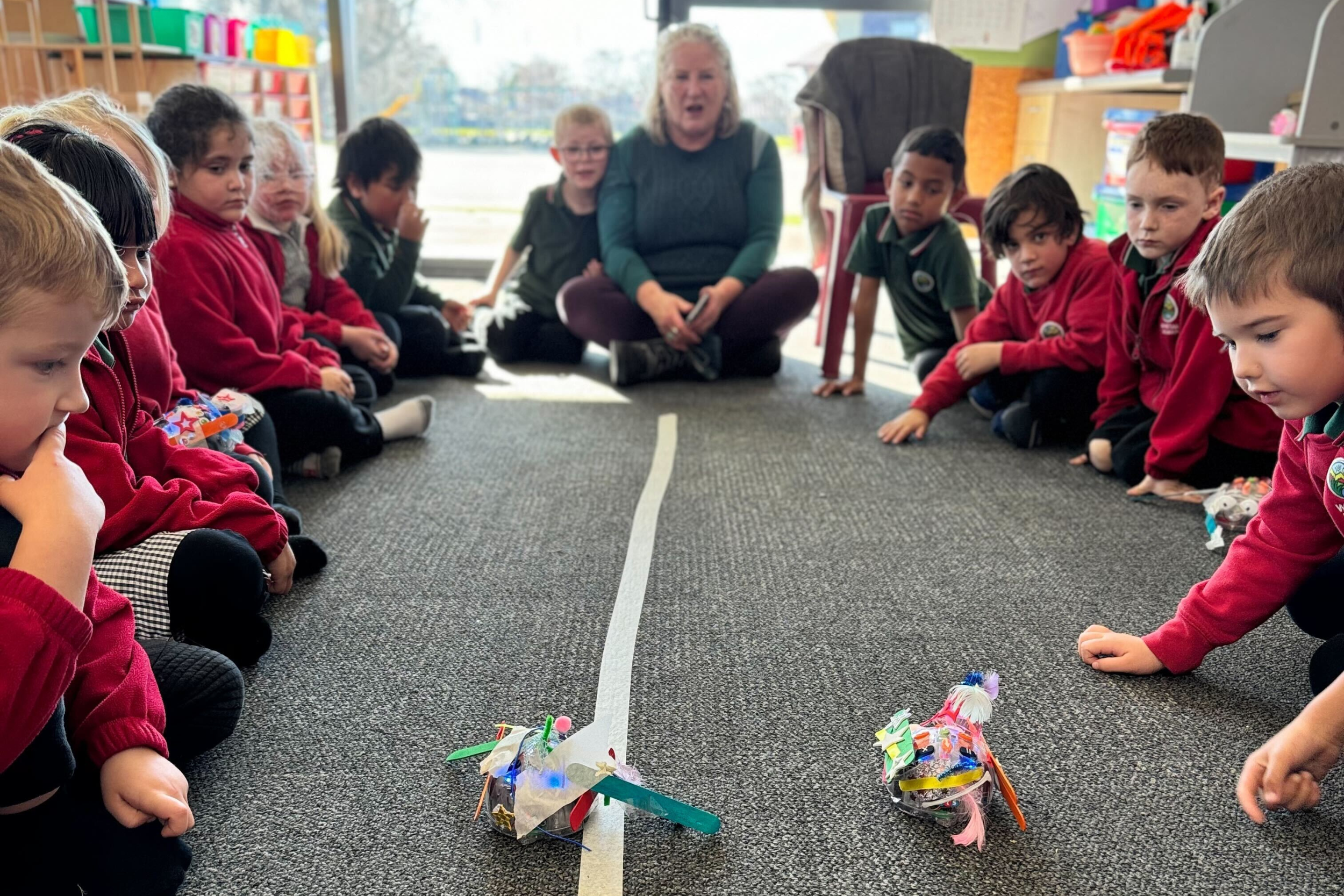
The answer to that second question matters more than people realise. Because when the answer a kaiako privately gives themselves is no, even a quiet, provisional no, that shapes every interaction they have with digital learning. It shapes the lessons they attempt, the risks they take, and the questions they allow themselves to ask. Confidence is the foundation on which everything else is built.
What gets in the way
There are layers to this, and it's worth naming them with honesty.
The teaching profession remains majority women. And there is a long, quiet history of messaging, running through decades of childhood, schooling, and culture, that tech isn't for them. The toys marketed to girls weren't designed to develop computational thinking. Technology was branded as "geeky," "nerdy," and stereotyped around a very particular kind of interest. That history doesn't disappear when someone steps into a classroom as a qualified professional. It resurfaces as hesitation. As self-doubt. As the assumption that someone else, a colleague, a specialist, a parent volunteer, probably knows better.
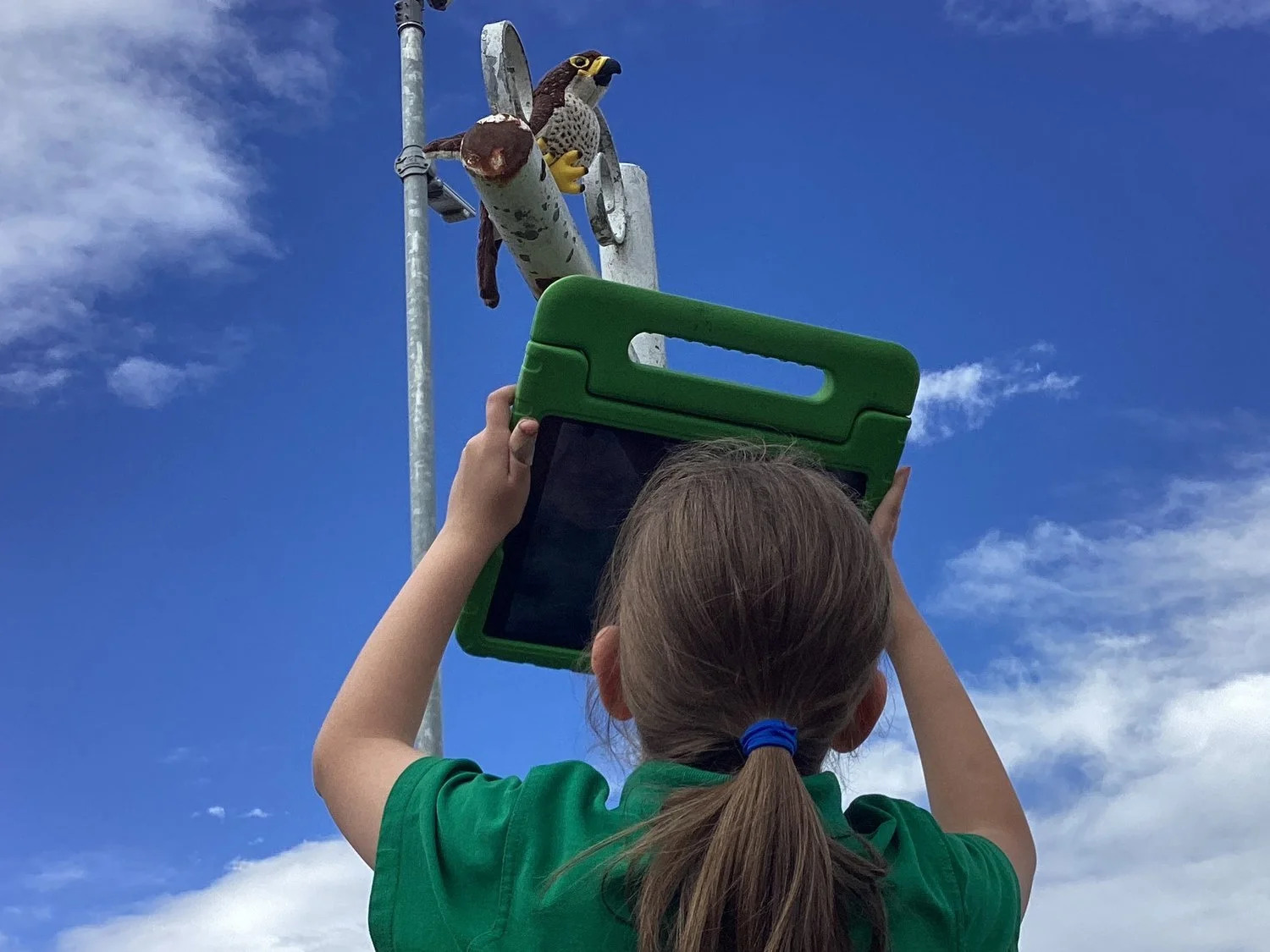
Then there's the very real fear of getting something wrong in front of people you're responsible for. With technology specifically, this can feel high-stakes: what if a student asks something I can't answer? What if I accidentally expose something inappropriate? What if I break something, or click the wrong thing, or set off a chain of events I can't undo? In a profession where being knowledgeable is deeply tied to being credible, uncertainty in the digital space can feel professionally vulnerable in a way that uncertainty in other areas simply doesn't.
Add to this the increasingly complex terrain around AI - a landscape shifting so fast that even the most digitally-engaged educators and professionals across sectors struggle to keep up. Kaiako are right to want clear guidance here. Questions about appropriate use, student safety, academic integrity, and ethical practice are real and pressing. Without good policy behind them and genuine support from school leadership, navigating these questions alone can feel paralysing. The safest option often feels like stepping back entirely.
And underneath all of this sits the broader reality of what teaching looks like right now: too many hats, too much cognitive load, rapid curriculum changes, post-pandemic recovery, and the persistent sense that there is simply not enough time. When kaiako are already stretched thin, anything that requires sustained new learning, particularly in an area where they already feel uncertain, can hit a wall. Not from lack of care or capability, but from sheer capacity.
What confidence actually makes possible
Here's what we see when kaiako feel genuinely supported and safe in this space, when the conditions are right, and the mana of the kaiako is held:
They try things.
They make mistakes in front of ākonga and model what it looks like to sit with not-knowing and work through it anyway.
They say "I don't know so let's figure it out together" and mean it. And something shifts in the room.
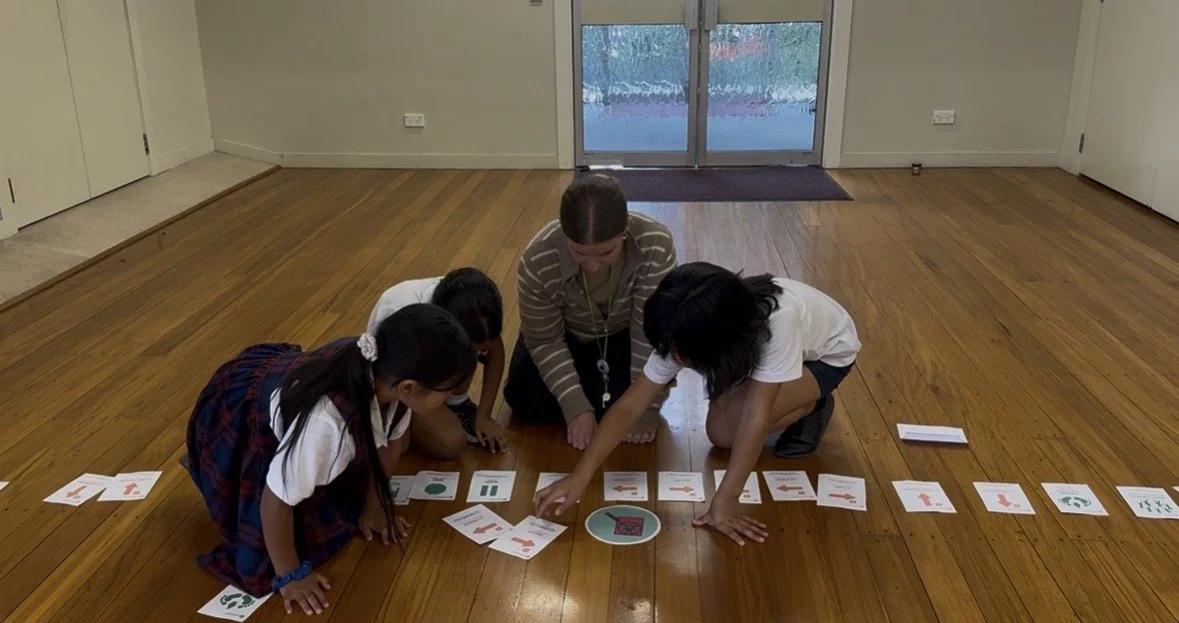
That shift is pedagogically powerful. When a kaiako is confident enough to be a teina alongside their tamariki, a learner in the room, not just a deliverer of content, the learning becomes genuinely collaborative. Curiosity drives the kaupapa. Mistakes become data points, not disasters. Students who hold knowledge get to share it. The kaiako's role becomes one of scaffolding, facilitating, encouraging, and modelling - which, it turns out, is exactly what great teaching has always looked like, just applied to a new domain.
Confidence also shifts the quality of the questions kaiako ask. With a bit of security under their feet, they start to look more critically at how digital technology is being used in their classroom. Is this passive consumption, or is it creative production? Are my ākonga using tools, or are they building with them? Can they identify what good digital practice looks like, and what isn't worth their time? These are curriculum-level questions the kind that sit at the heart of Hangarau Matihiko, and kaiako can only begin to explore them confidently when they feel stable enough to hold the complexity.
Safety, space, and the role of schools
None of this happens in a vacuum, and it's important not to place the entire responsibility on individual kaiako. Confidence grows in conditions that actively support it and creating those conditions is a leadership responsibility.
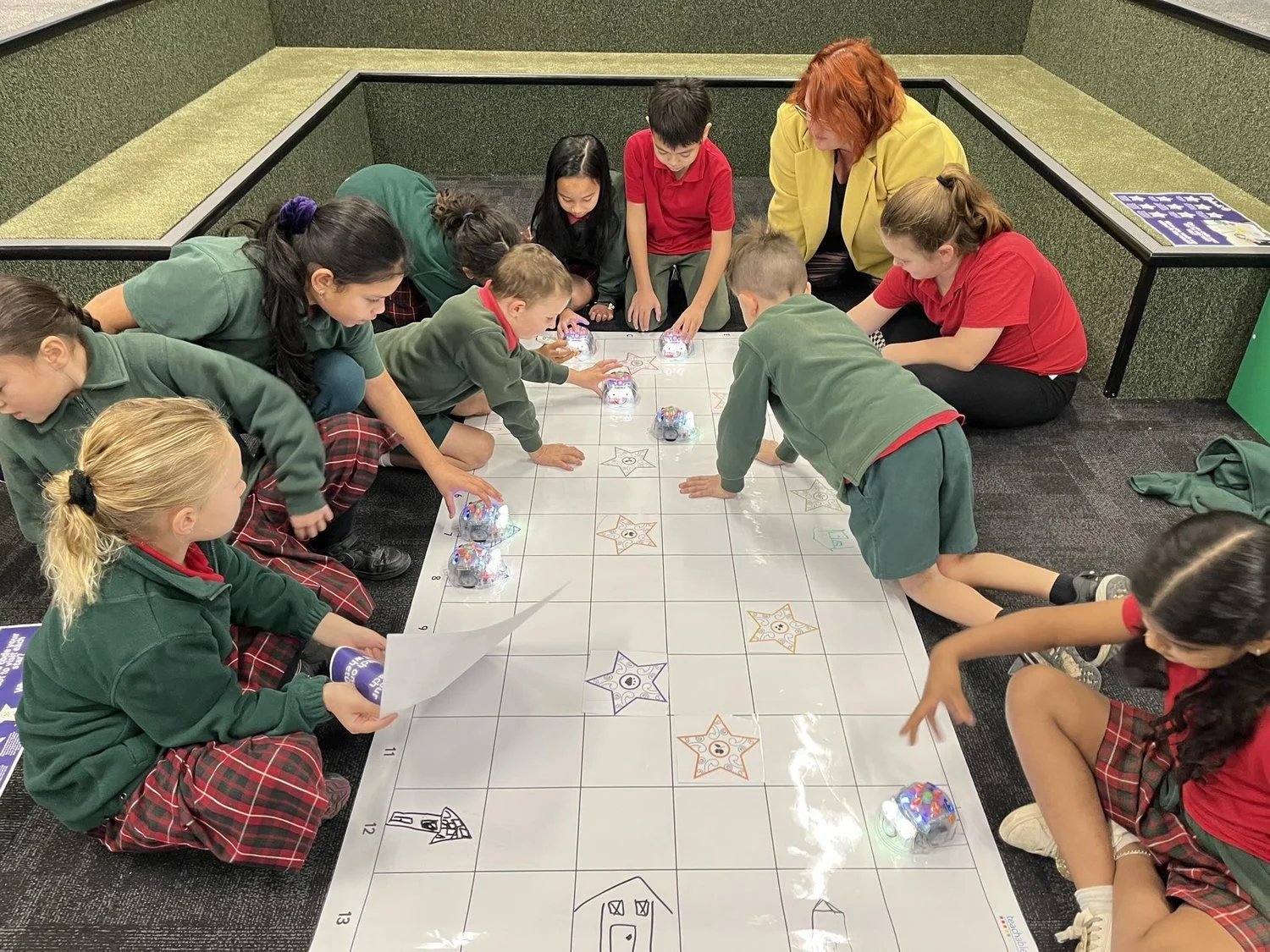
Kaiako need clear, well-considered school policy behind them, particularly as AI use becomes an increasingly real part of classroom life. They need SLT who understand that digital PLD isn't a luxury or a "nice to have" in the annual plan, but a genuine priority with time and resourcing behind it. They need opportunities to learn alongside each other, to normalise the messiness of building new capability, not just in isolated after-school sessions that eat into already-depleted reserves.
They also need someone alongside them who genuinely believes they're already capable. The skills kaiako bring to their mahi (scaffolding, facilitating, creating safety for mistakes, reading a room, knowing their learners) are exactly the skills needed to teach digital technologies well. The content knowledge can be built. The pedagogy is already there. The shift is one of mindset: from "am I qualified to be in this space?" to "I am a teacher, and that is enough to start."
Why we measure confidence
In DFA's Ōtautahi Outreach programme, we track kaiako confidence as a core impact metric, not as a soft, feel-good data point, but because the evidence from our own work shows it's meaningfully connected to outcomes for ākonga. When kaiako feel confident, they teach more, they take more risks, they create more space for ākonga to do the same.
Our facilitators work alongside kaiako during class time, co-delivering lessons in real time, modelling approaches, offering support while the learning is actually happening rather than in a workshop room removed from the classroom reality. It's PLD that doesn't steal time; it multiplies it. And we've seen average kaiako confidence increases of more than 100%across our time in kura, not because we made things easier, but because we made people feel safe enough to grow.
"There is no way I would have ever attempted anything like this without your support." — Year 6 kaiako, Sacred Heart School
"This outreach programme has helped us respond to a passion in our ākonga that we didn't have the confidence to support ourselves." — 2023 Outreach participant
These are not outlier stories. This is what happens when kaiako are given what they actually need.
The opportunity in front of us
Aotearoa's digital future is not going to be built by technology alone. It's going to be built by people, and the first people who shape young Kiwis' relationship with digital technology are the kaiako in front of them every day.
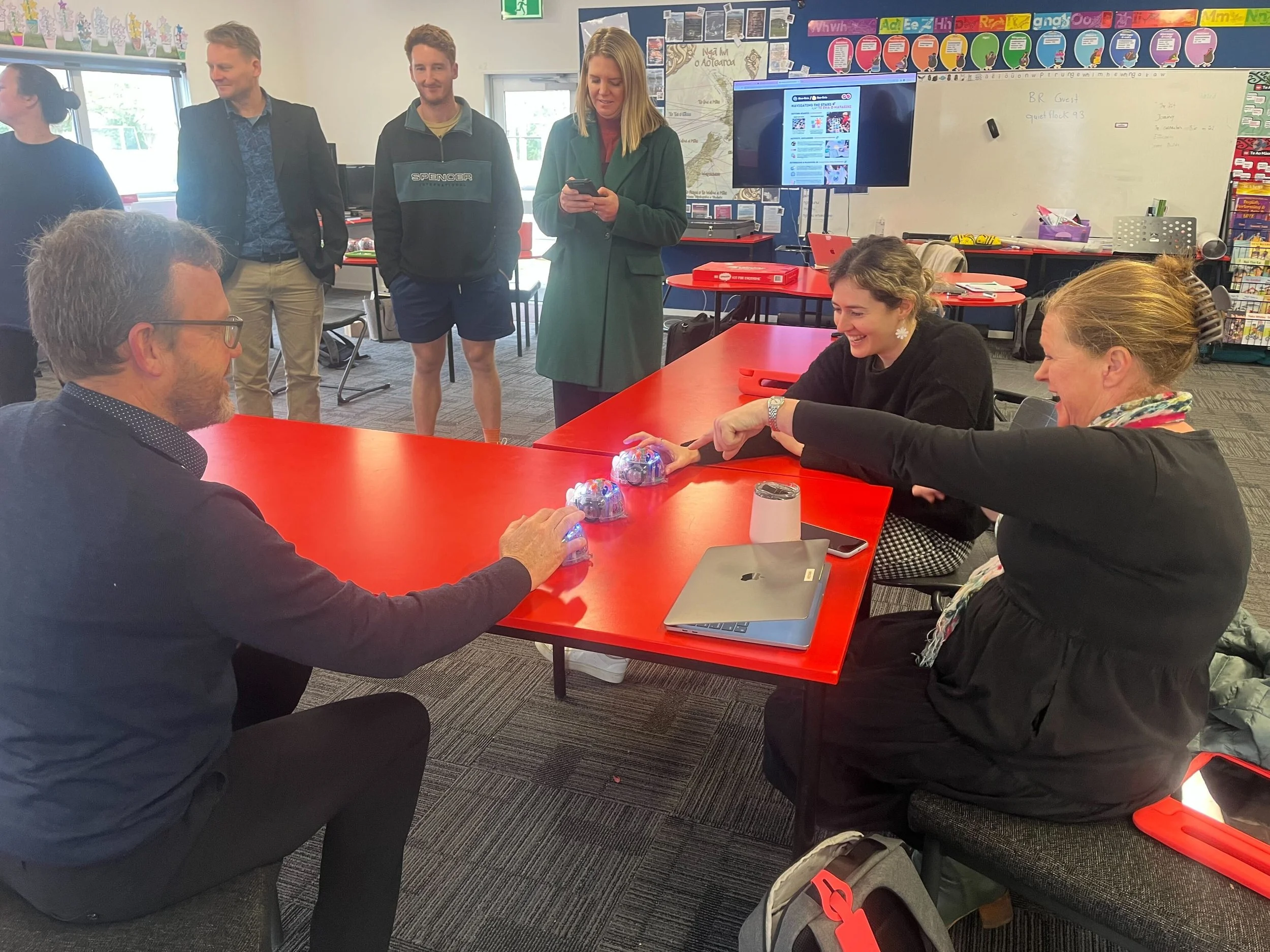
We can invest in devices, platforms, and curriculum documents. But if the kaiako holding all of that doesn't feel confident, safe, and genuinely backed, the potential sits untapped. The gap between what's possible and what actually happens in classrooms isn't a resources gap. It's a confidence gap.
The good news? Confidence, unlike hardware, is entirely renewable. It grows with the right support, the right conditions, and the right belief from school leadership, from programme providers, and from the profession itself. Every kaiako who wants to grow in this space deserves the chance to do it well.
The question is whether we're doing enough, collectively, to make sure they know that.
Digital Future Aotearoa's Ōtautahi Outreach programme supports kaiako in Christchurch schools to confidently deliver Hangarau Matihiko learning through guided planning, co-delivery, and classroom-ready resources.