
AI at Code Club: A Helpful Tool, Not a Shortcut
Artificial intelligence is everywhere right now, and tamariki are noticing. Many of our Code Club members have already tried many of the free AI tools available at home or at school, and some are keen to use them to help with their code club projects. AI is going to be part of the world our tamariki grow up and work in, so getting comfortable with it early is a good thing.
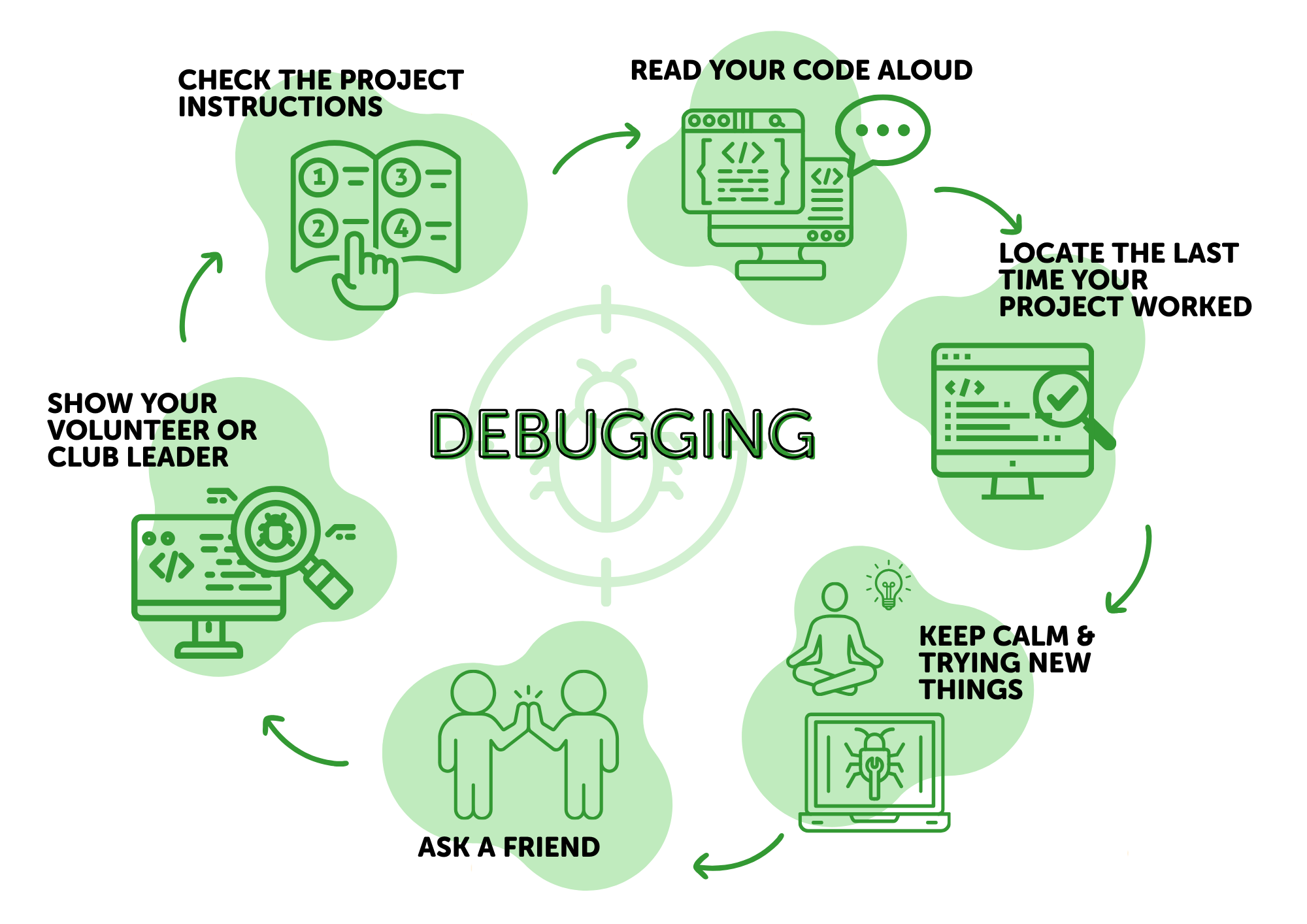
But there's a balance to strike. When a young person encounters a bug in their code, the moment of pausing, checking the project guide, testing an idea, and figuring out what went wrong is where real learning happens. If AI jumps in and fixes the problem before that thinking happens, we risk tamariki missing out on the very skills Code Club is here to build.
So this term, we're encouraging our clubs to think of AI as a helpful assistant, not an answer machine.
Why problem solving still comes first
Computational thinking, breaking a problem down, spotting patterns, testing ideas, and trying again when something doesn't work, is at the heart of everything we do at Code Club. It's a skill that carries over into maths, science, literacy and everyday life, not just coding. If club members lean on AI to solve every sticky bit of code for them, they can miss out on building that muscle.
Our approach is simple: let AI support the learning, not replace it. A few ways our volunteers and leaders are doing this in clubs around the motu:
Encouraging tamariki to ask for help and to try debugging a problem themselves first, using trial and error, before turning to any tool for help
Ask guiding questions first ("what do you think is happening here?") before anyone, human or AI, gives the answer away
Using AI tools to explain a coding concept in a different way, rather than to write the code outright
Treating AI suggestions the same way they’d treat a hint from a volunteer: a nudge in the right direction, not the finished answer
Celebrating the moment a young coder solves something themselves, that's the win we're really after
Asking tamariki to explain their code out loud to a buddy before reaching for a tool, often the act of explaining is enough to spot the fix
Setting a "have three goes first" rule, so they build the habit of persisting with a problem before asking for help of any kind
Using AI to spark ideas for a project (like brainstorming what a game could do), while leaving the actual building and coding to the tamariki themselves
Getting club members to compare their own fix with an AI suggestion afterwards, turning it into a discussion about why something worked rather than a copy-paste answer

Working it out together: collaboration and pair programming
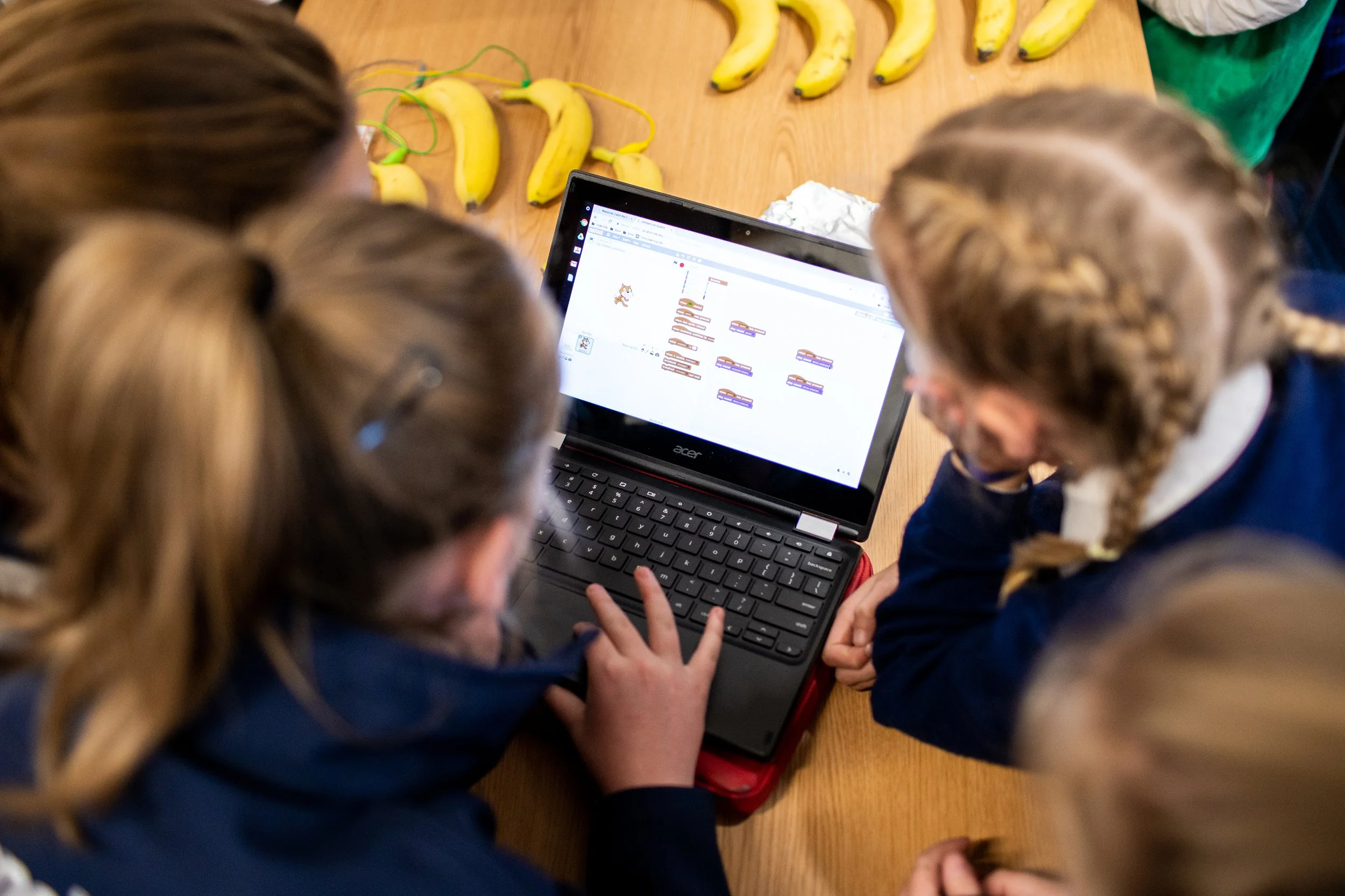

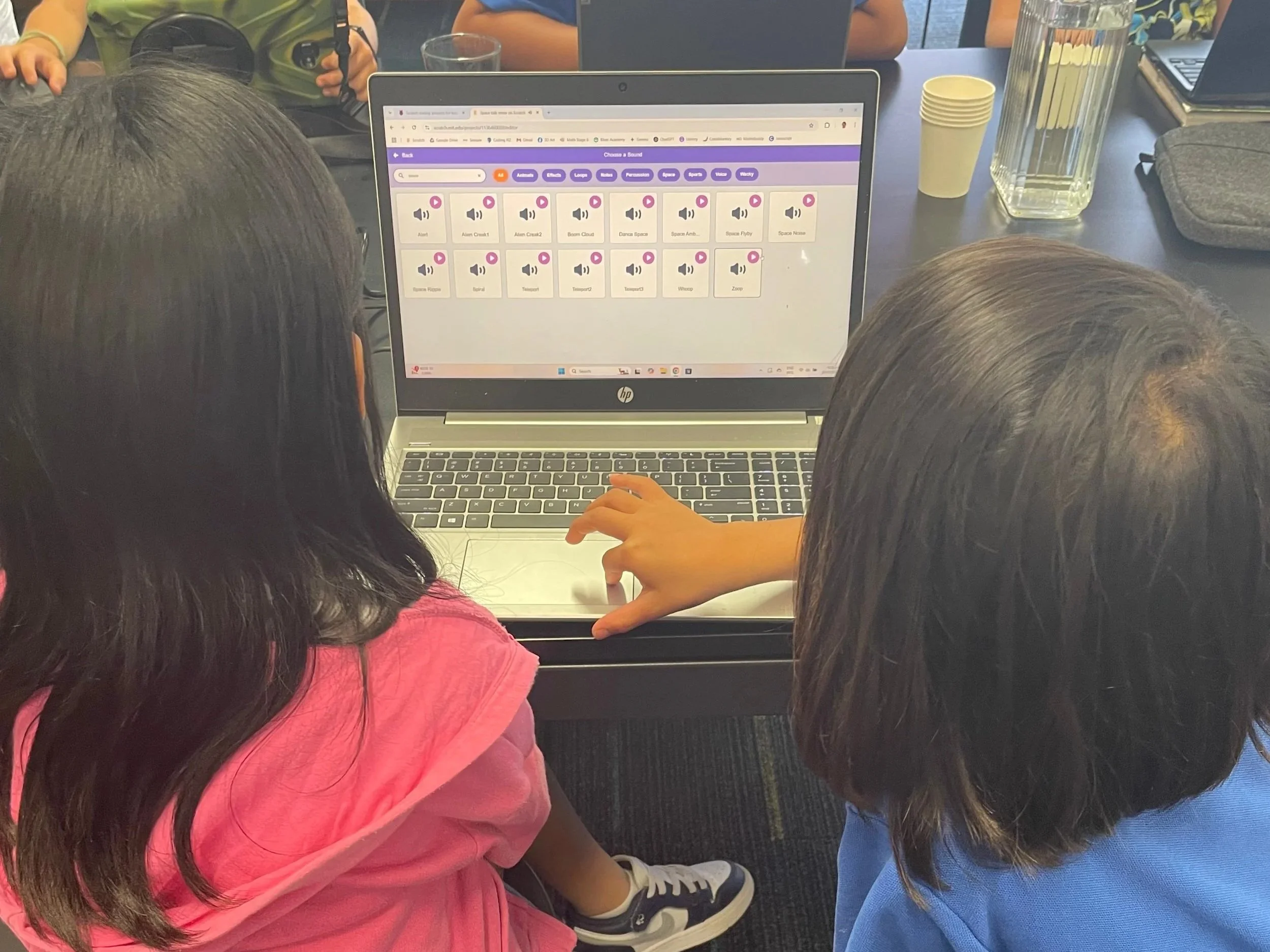
AI isn't the only alternative to solving problems solo, and it's certainly not the best one for young people learning to code. Some of the best debugging happens when two tamariki put their heads together instead.
Pair programming, where one person codes while the other watches, asks questions and spots things the coder might have missed, is a great fit for Code Club. It builds the same problem-solving muscle AI can quietly bypass, but with the added bonus of ākonga learning to communicate their thinking out loud and listen to someone else's ideas. Try:
Pairing tamariki up for a project and having them swap who's "driving" the keyboard halfway through
Encouraging club members to ask their peer for a second opinion before asking a volunteer or reaching for any tool
Running a "stuck? ask three, then me" rule, where they check with three other club members before bringing a problem to a volunteer
Setting aside a few minutes at the end of a session for tamariki to chat to their buddy what they built and talk through how they solved a tricky bit
Mixing up pairs regularly, so they get used to working with different people and different ways of thinking
This kind of collaboration reflects one of our core values at Code Club: we believe in working and learning together. We want tamariki to keep thinking, keep talking and keep trying, rather than outsourcing the tricky bits to AI to solve.
Curious, not dependent
We're not anti-AI at Code Club, but learning and creating is at the heart of what we do, and we want to make sure AI doesn’t get in the way of that. The Raspberry Pi Foundation's AI toolkit already gives our code club tamariki a fun, hands-on way to explore how machine learning works using Scratch, and we love seeing clubs use these resources to build understanding of AI, not just use it as a tool. Understanding how AI works under the hood is a brilliant complement to using it responsibly.
The goal is code club members who are confident and curious about AI, who know how to use it as one tool among many, and who trust their own problem-solving skills first. That's what will set them up well for whatever the future of tech looks like.
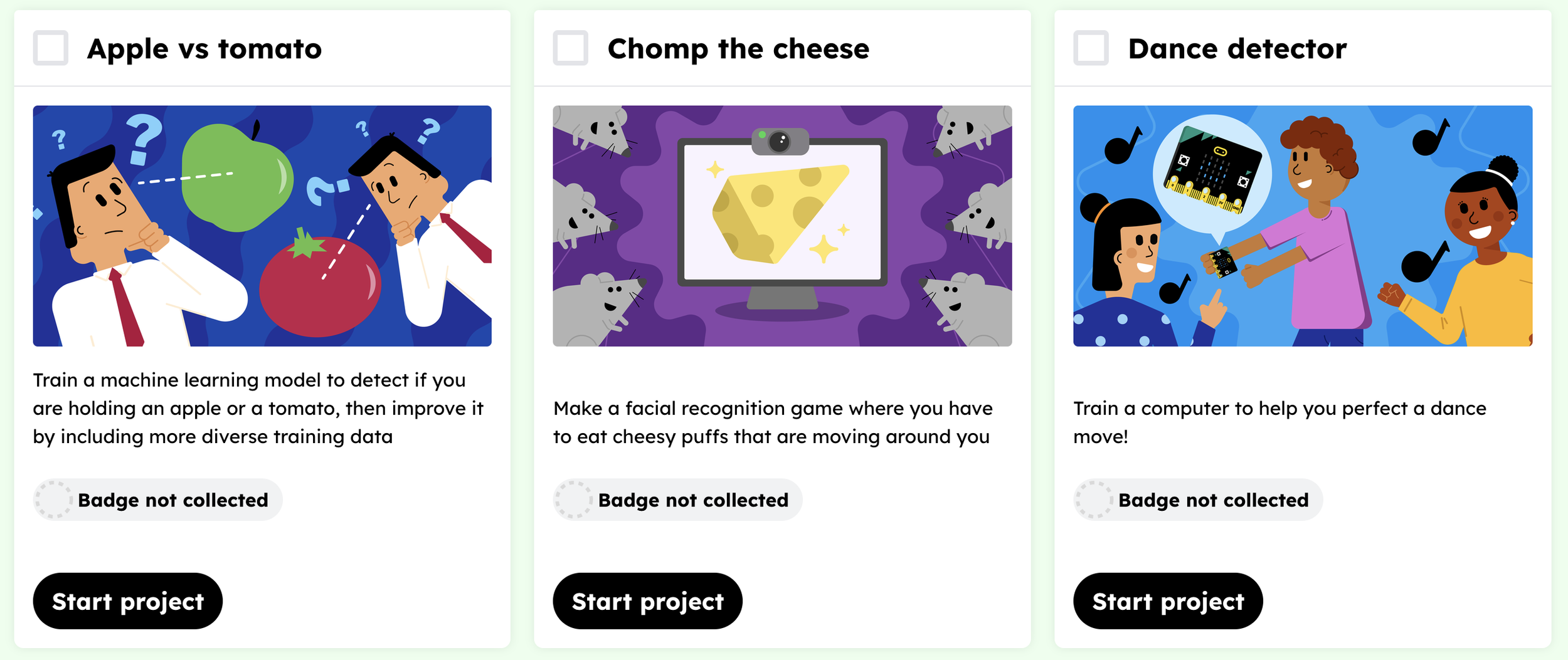
The RPF’s AI toolkit introduces various artificial intelligence applications and technologies through hands-on projects using different platforms and tools.
For volunteers and club hosts
If you're running a club and want some simple ground rules around AI use, a good starting point is agreeing as a group on when it's okay to ask an AI tool for help (like understanding an error message) versus when tamariki should have a go themselves first (like fixing that error). Talking about this openly with your club members also helps them build good digital habits that will serve them well beyond Code Club. We also recommend checking out our Responsible AI in Education series here.