
From Recycled Laptops to Real Opportunity: How Recycle A Device Powers Code Club Access
Coding, creating, problem solving. That's what happens every week when tamariki gather at Code Clubs in libraries, schools and community spaces across the motu.
It only takes an hour, but it all depends on something a lot of us tend to overlook: a working device. This is where Recycle A Device (RAD) makes a difference.
The barrier we don't always see
Code Club is free and volunteer-led, and for clubs without computers and laptops on hand, the biggest cost of joining for some families isn’t a participation fee, it’s access to a suitable device.
The reality in Aotearoa is that access to devices isn't equal across the motu. Some venues can provide a laptop or desktop computer for every session. Others can't. And without a device, tamariki who are keen to learn simply can't take part.
This is a real and widespread issue. Around 100,000 Kiwi homes don't have access to a laptop, a gap that touches classrooms, libraries and Code Clubs across the country.
Turning old laptops into new opportunities
RAD exists to close that gap. Through a simple, community-driven cycle, unwanted devices are donated by organisations and individuals, they are refurbished by rangatahi from all over the country, and allocated to those who need them most:
Donate — A device is donated, either through a corporate partner's procurement programme or from someone in the community whose laptop has reached the end of its working life for them.
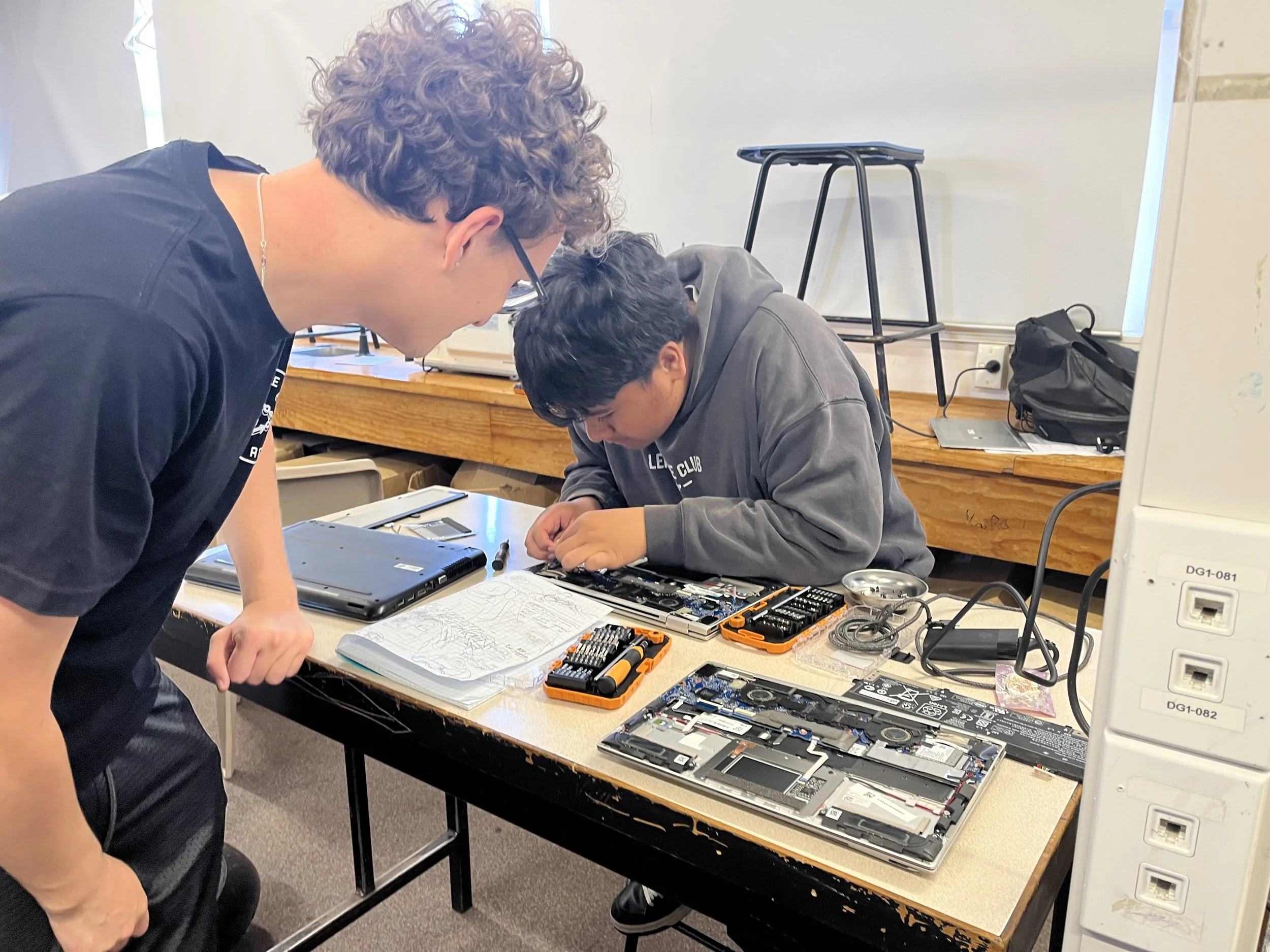
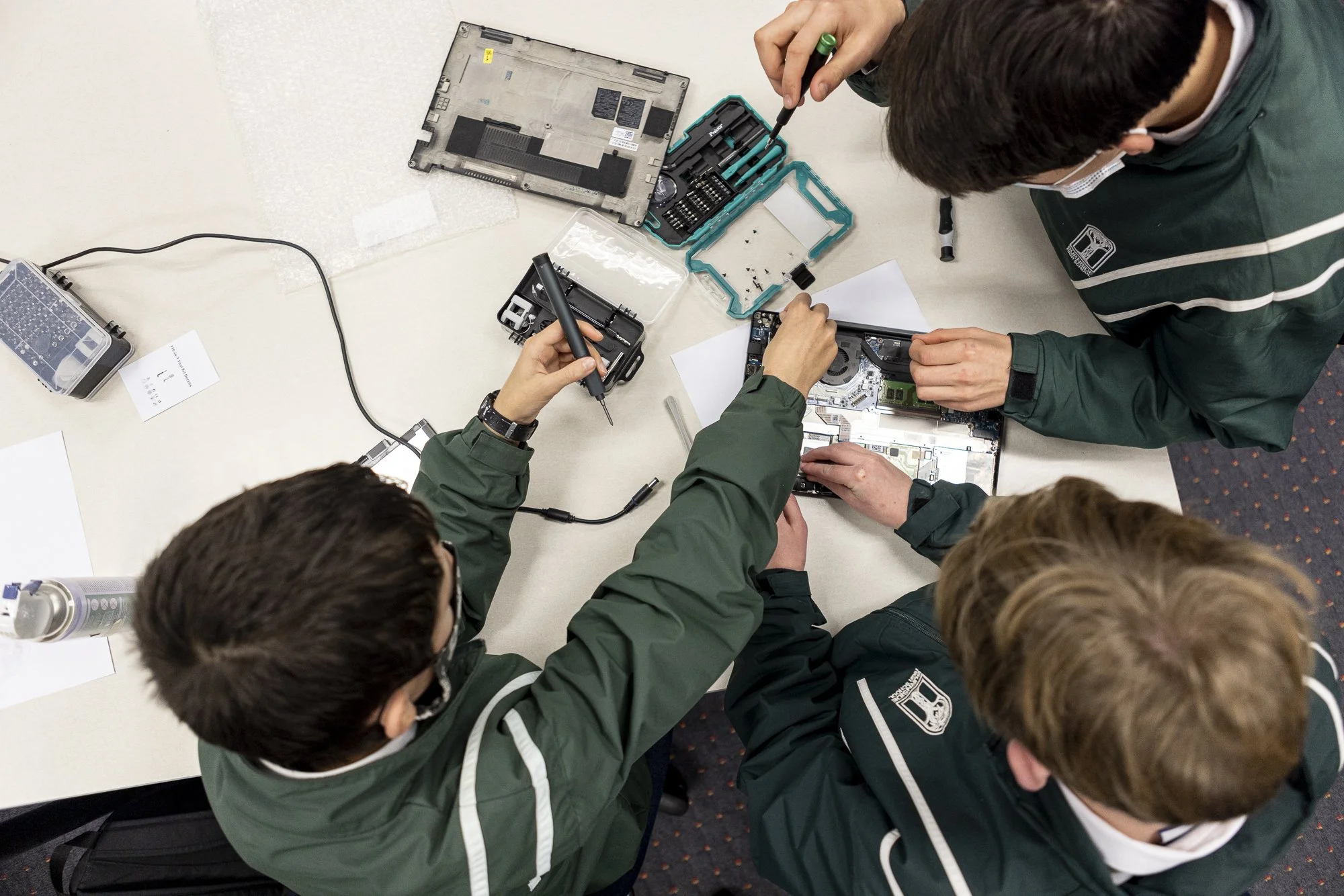
Refurbish — The device is diagnosed, repaired and refreshed by high school students. Not only does this give the device a second life, it helps build rangatahi skills in STEM along the way. If a device is well beyond repair, it's stripped for parts and disposed of responsibly.
Allocate — The refurbished laptop is matched with a new owner, whether that's for school, work or personal use.
For Code Club, this cycle means something very practical. Venues that couldn't otherwise offer devices to every club member now can, and every young learner in the room, regardless of what's available at home, gets the same hour of coding, creating and learning as everyone else.
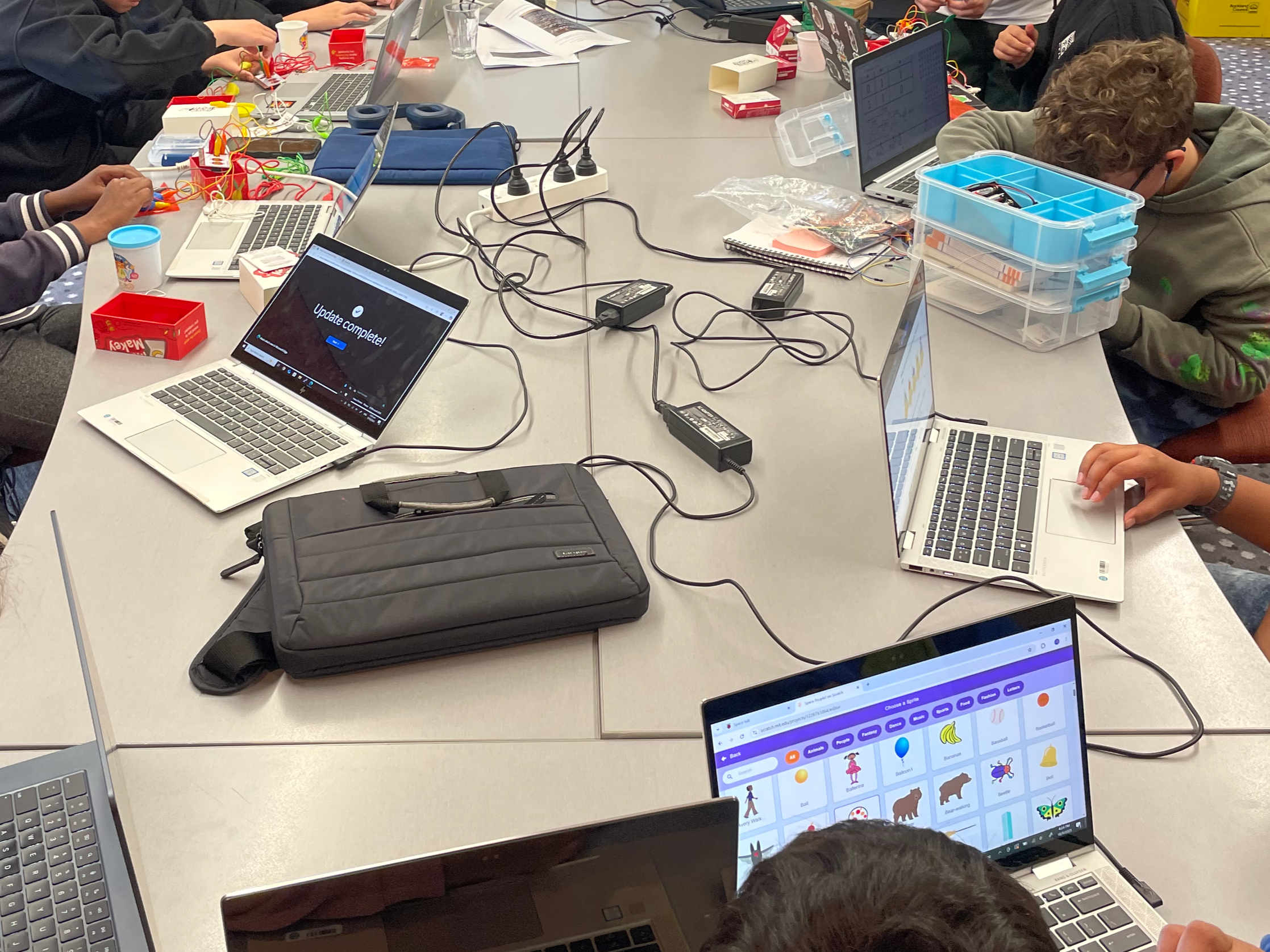
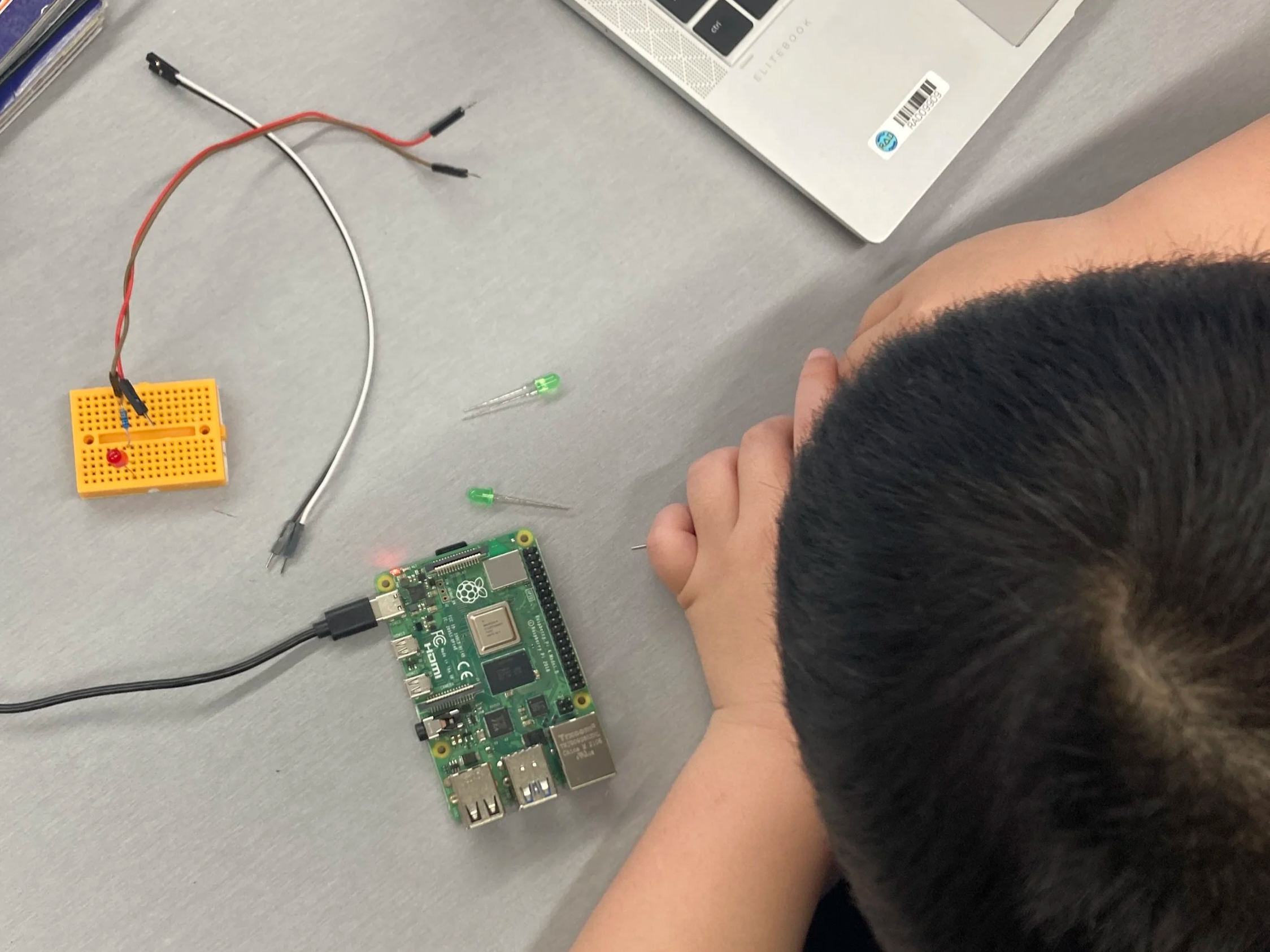
We've already seen what this looks like in practice. A growing number of Tāmaki Makaurau’s library clubs run their sessions entirely on RAD devices. For some tamariki, it's the only time all week they have a device to themselves, rather than sharing a school Chromebook or tablet, or going without. That shift, from borrowed time on a shared low-spec machine to a device that's theirs for the hour, changes how they show up to learn. It gives them room to experiment, make mistakes, and build something they're proud of, on their own terms. Some of our more tech-savvy young coders have even started upgrading older refurbished devices themselves, installing new operating systems and distros to squeeze even more out of them at Code Club!
Why access matters as much as the coding itself
There’s more to Code Club's mission than simply teaching tamariki to code. It's about building confidence, curiosity, collaboration and computational thinking, skills that open doors well beyond the club session itself. But none of that can happen without a way in the door in the first place.
When RAD and Code Club work together, the impact goes both ways. A donated laptop gets a meaningful second life instead of gathering dust or ending up in landfill. And a keen young person who might otherwise have missed out gets a genuine seat at the table, alongside peers who've never had to face the barrier of not having a device at all.
It's also a good reminder that digital equity isn't just about teaching skills. It's about making sure every Kiwi kid has what they need to actually use them.
Get involved
Have an old laptop sitting unused? Donating it through RAD gives it a second life and helps power a Code Club session for tamariki who need it. Head to recycleadevice.nz to find out how.
Want to help a Code Club near you? Register your interest at codeclub.nz, we want a Code Club in every school, kura and library across the motu.