Coding Céilí Unplugged

Exploring Computer Science Through Dance
Related
Digital Technologies Progress Outcomes
Foundational CT skills, in an unplugged context
Exploring order, sequencing, and repetition
Creating and following algorithms
Engaging in debugging
Cross-Curricular Links
Year Levels
All / Adaptable
Great fit for early to mid primary levels
Clear pathways for extension at upper primary levels
Low-barrier, high-engagement entry point for all levels
Duration
Adaptable
A pilot unit was effectively delivered over 5 x 1-hour sessions
Resources
Extension
Prompt a creative session where teams write their own original choreography algorithms and then perform or even teach others.
Prompt a challenge session with prepared dance sequences where one team performs a dance and another team must reverse-engineer an algorithm, or work backwards to arrange commands that encode the dance performance they observed.
Adapt the activity with commands that code for other types or styles of dance movements to suit a genre relevant to your learners.
Extend from unplugged into a computerised context, constructing a dance program in Scratch (or ScratchJr) using sprites and command blocks.
About Activity
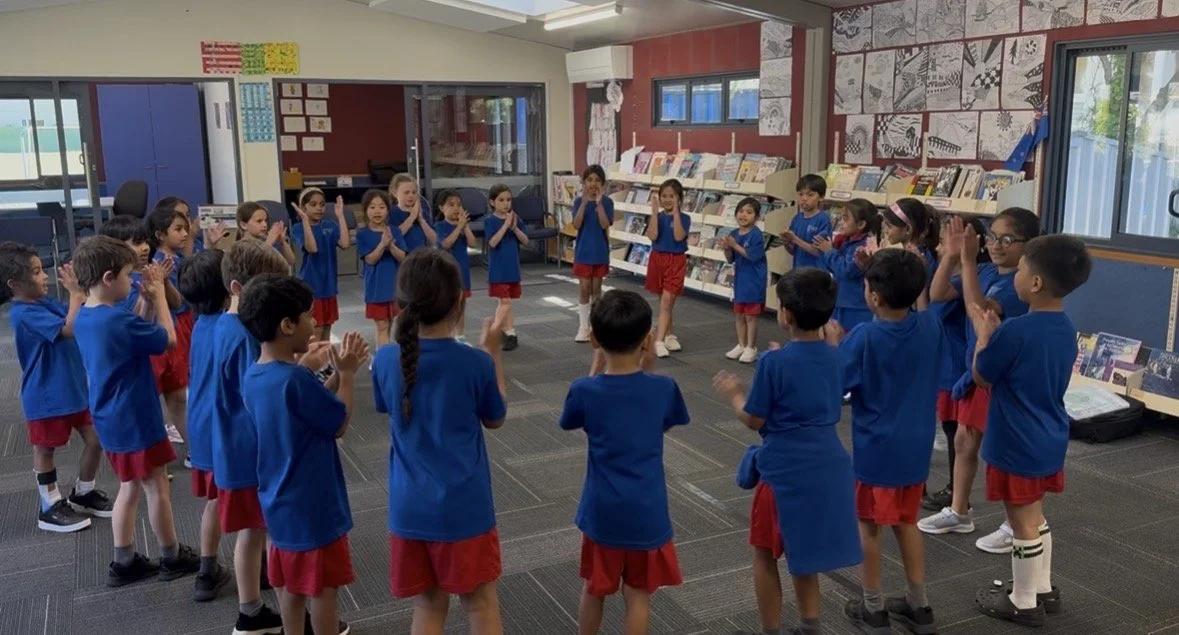
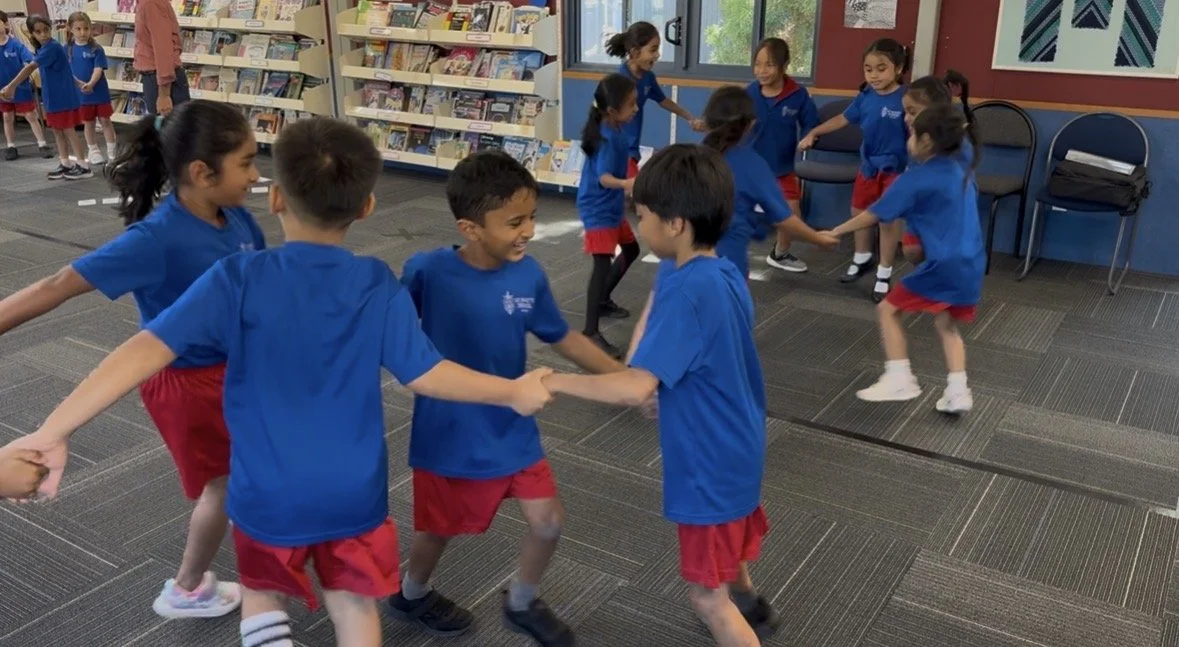
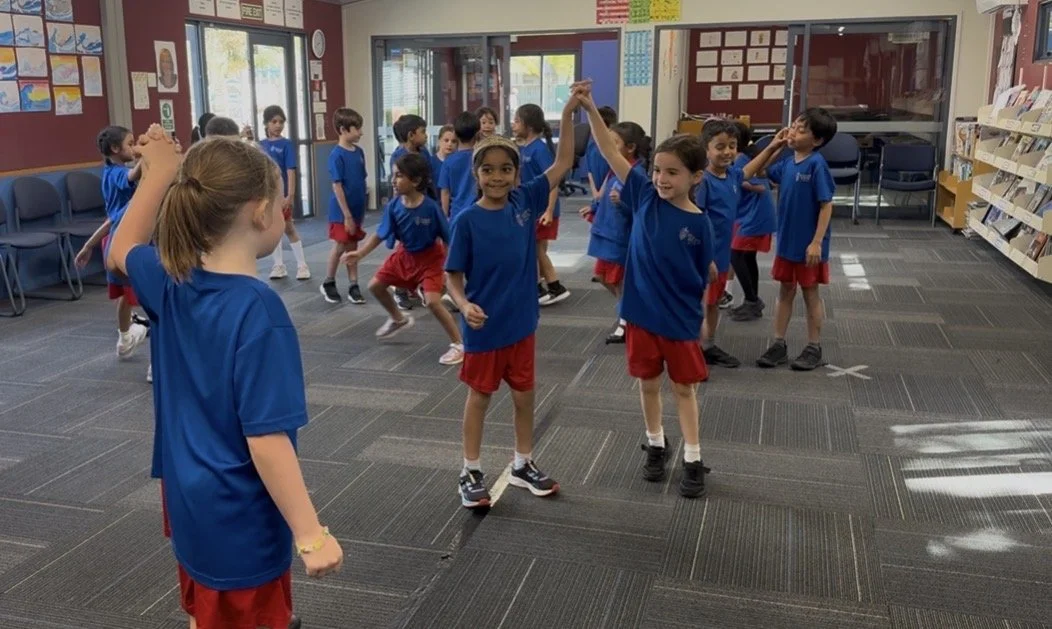
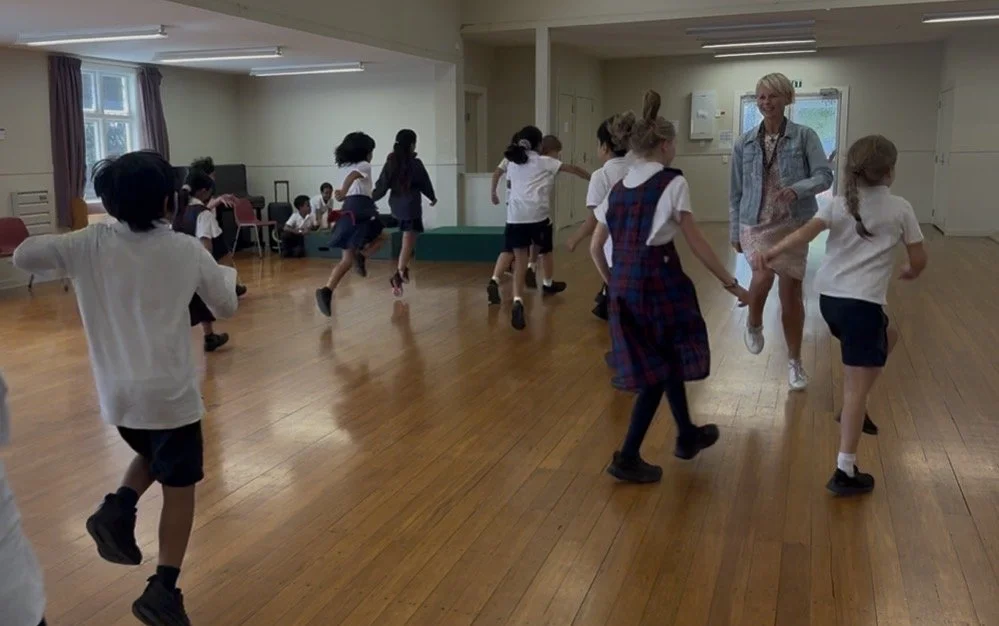
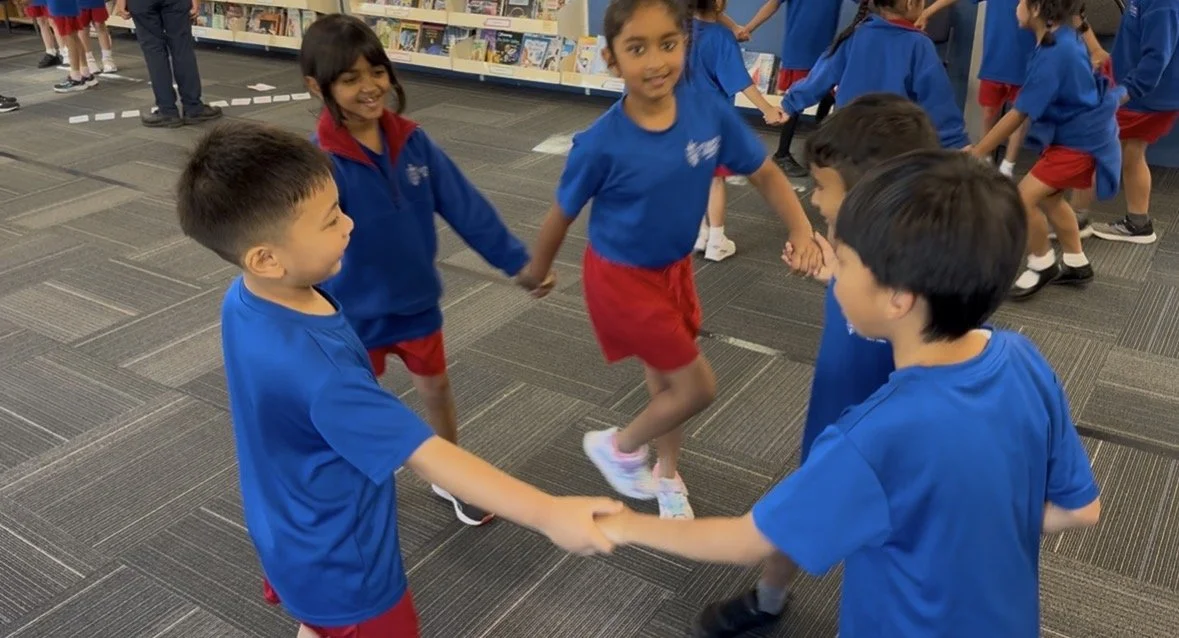
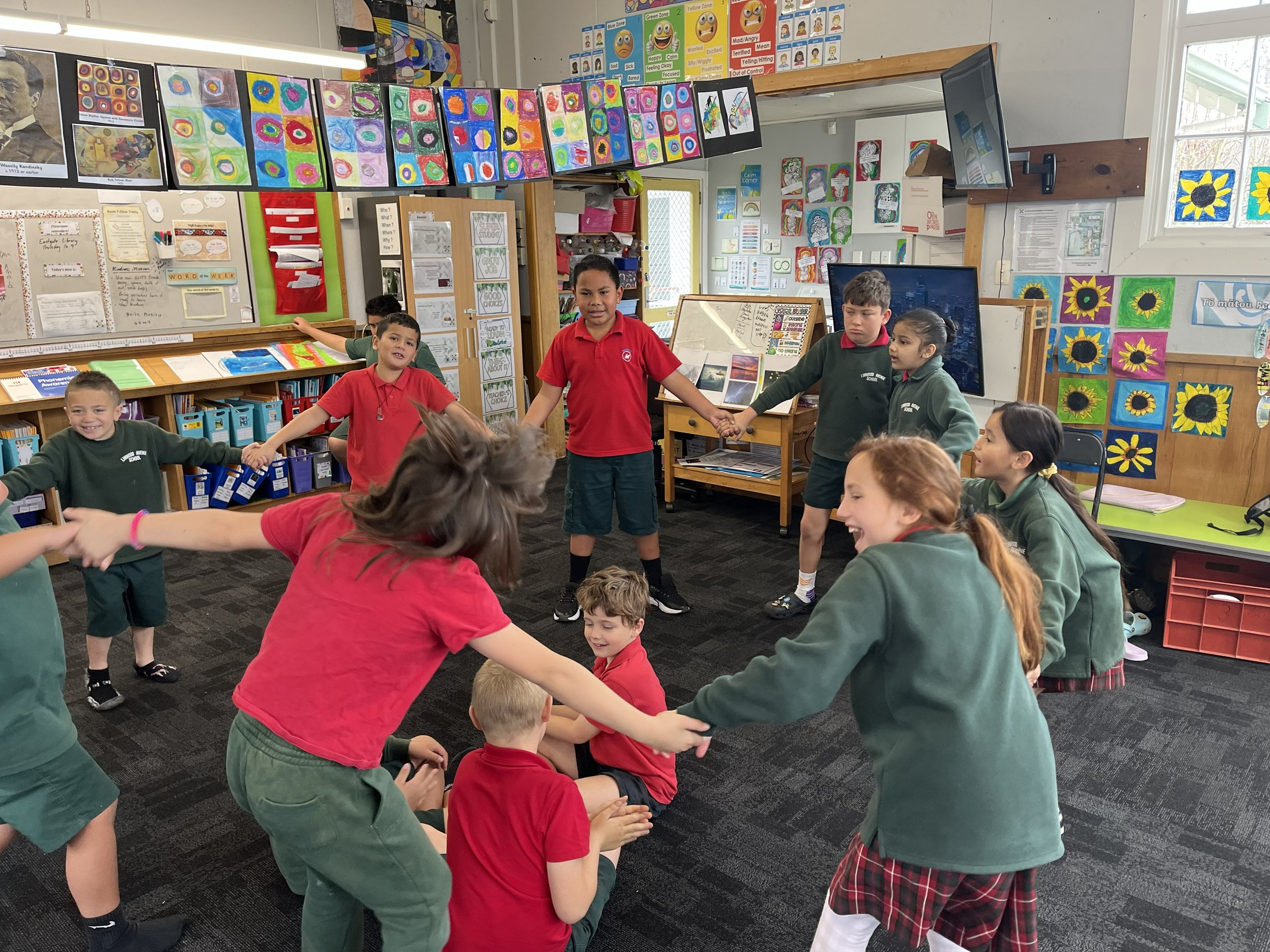
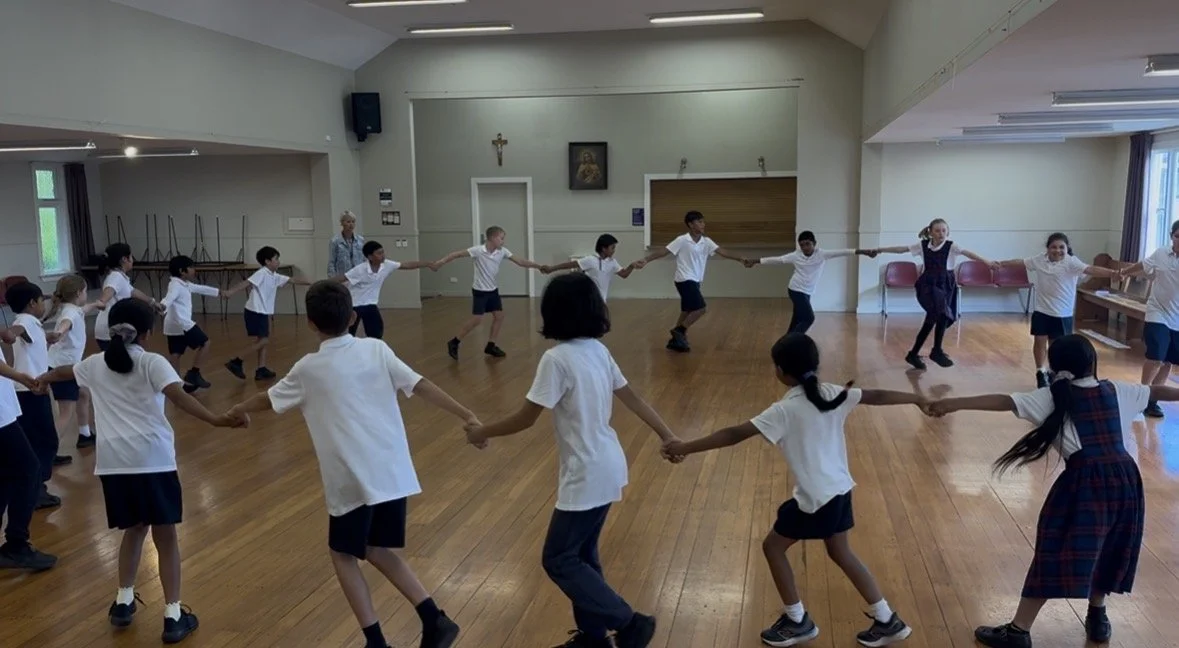
This unplugged activity builds conceptual foundations in computer science through dance and movement with traditional Irish Ar Rincí Céilí. Designed for accessibility, the activity requires no prior coding or dance experience and can be adapted for a wide range of ages and abilities.
Guide the development of key computing skills through teamwork and creative expression, and make learning active, memorable, and fun. For learners, coding céilí supports pattern recognition, problem-solving, coordination, and communication. For teachers, it offers a fun, flexible, and cross-curricular approach that removes barriers often associated with teaching computer science.
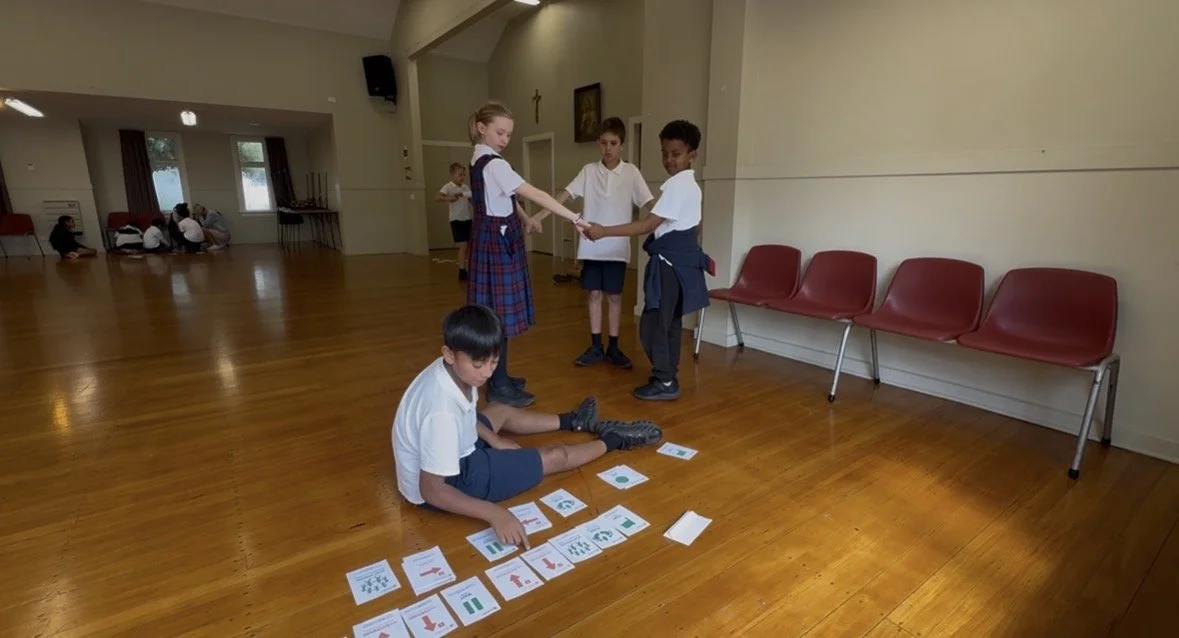
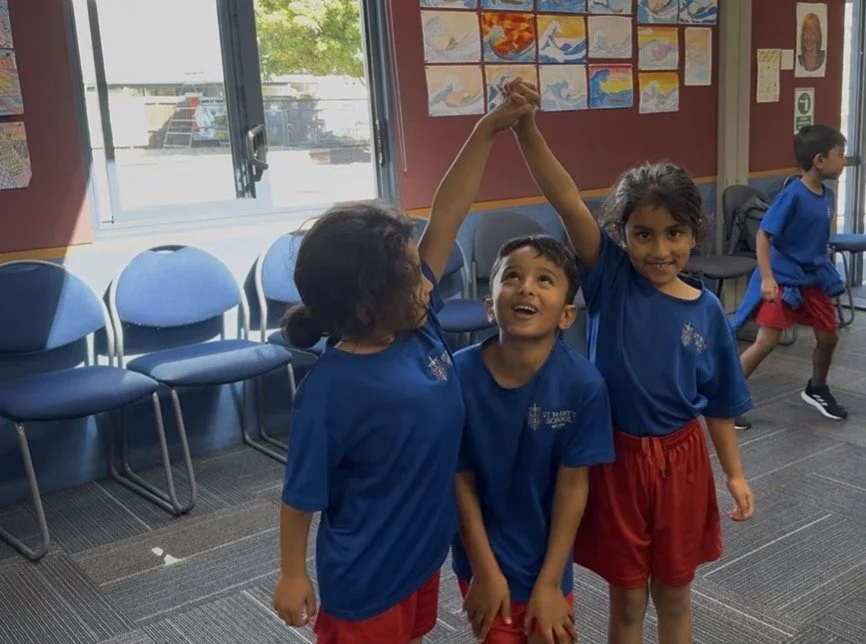
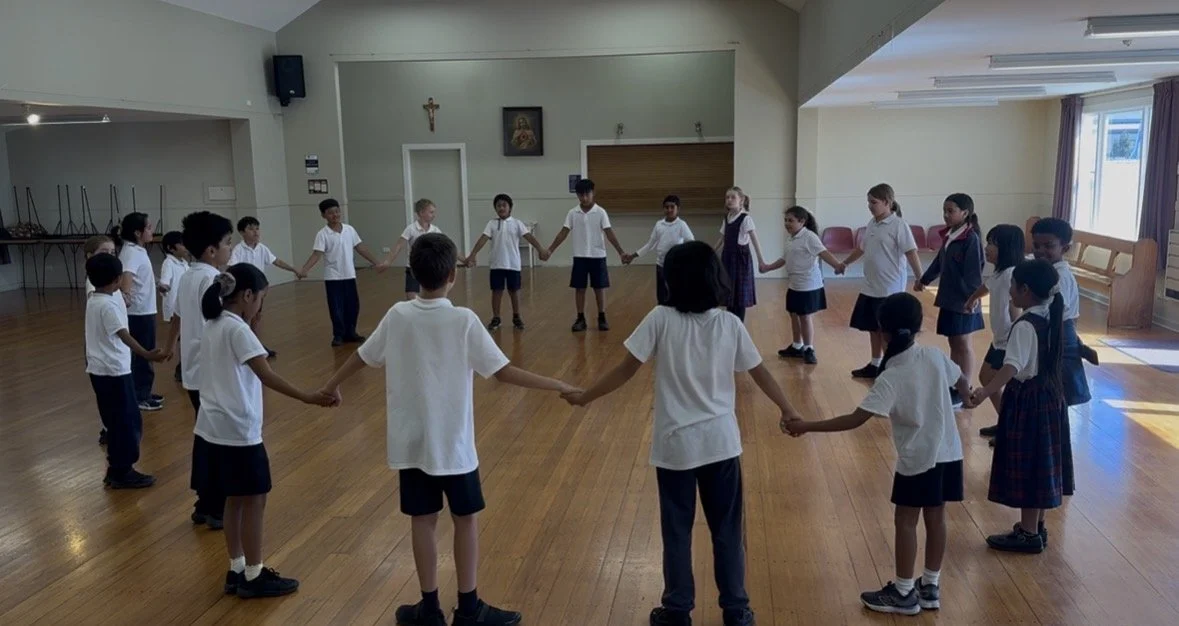
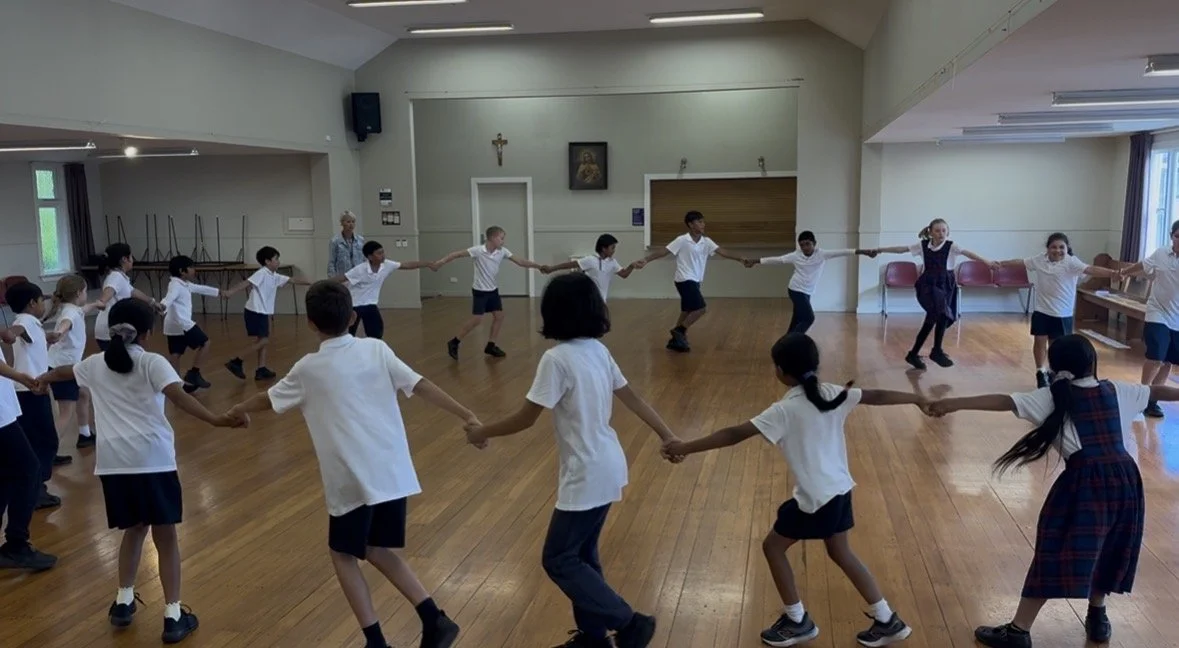
Activity Spotlight: Coding Céilí Unplugged in Ōtautahi Christchurch
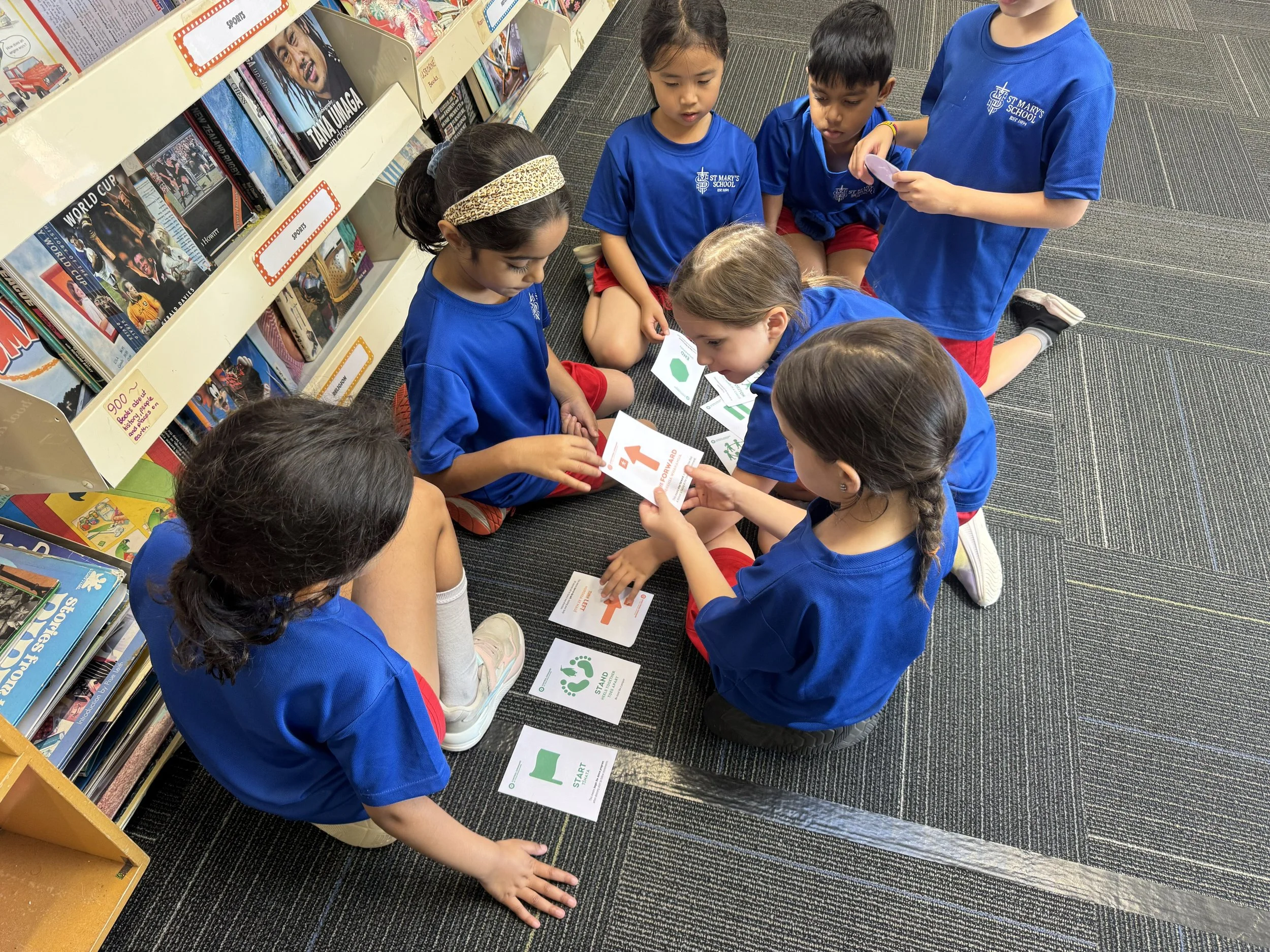
Take an inside look into how DFA outreach edu-tech facilitator Kate developed this activity as a kinaesthetic unplugged approach to help unlock understanding in computer science by getting learners problem-solving on their feet, moving and working together while having fun!
Dancing a Bonfire Céilí (Activity Guide)
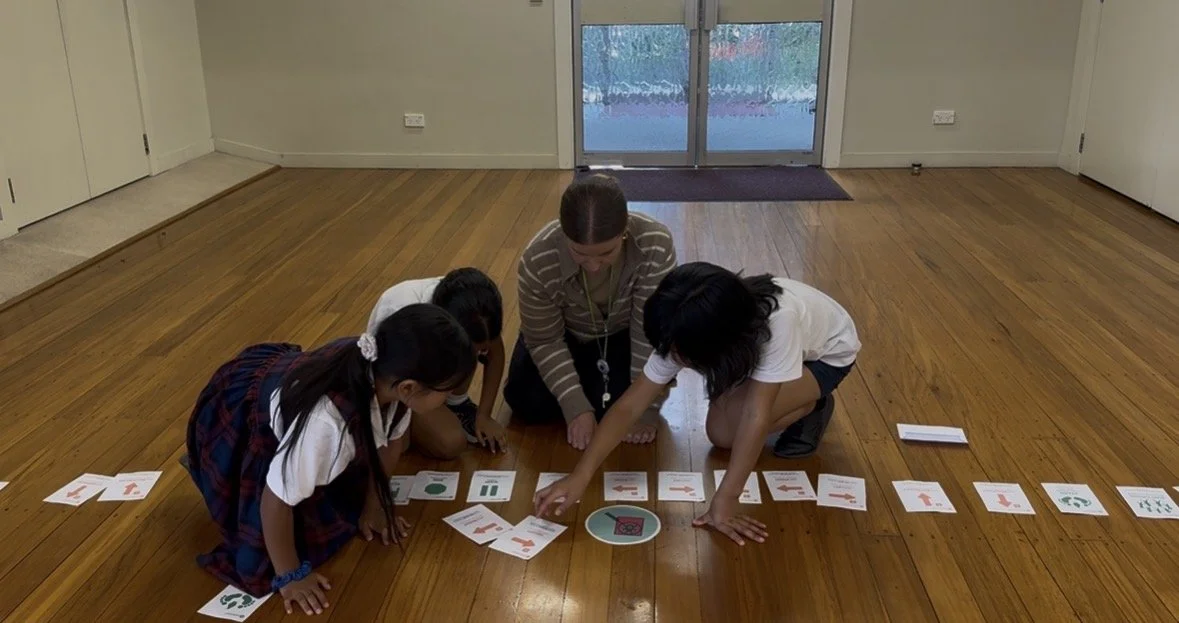
This is the main activity guide for sequencing a Bonfire Céilí routine and demonstrating how it works by hitting the dance floor!
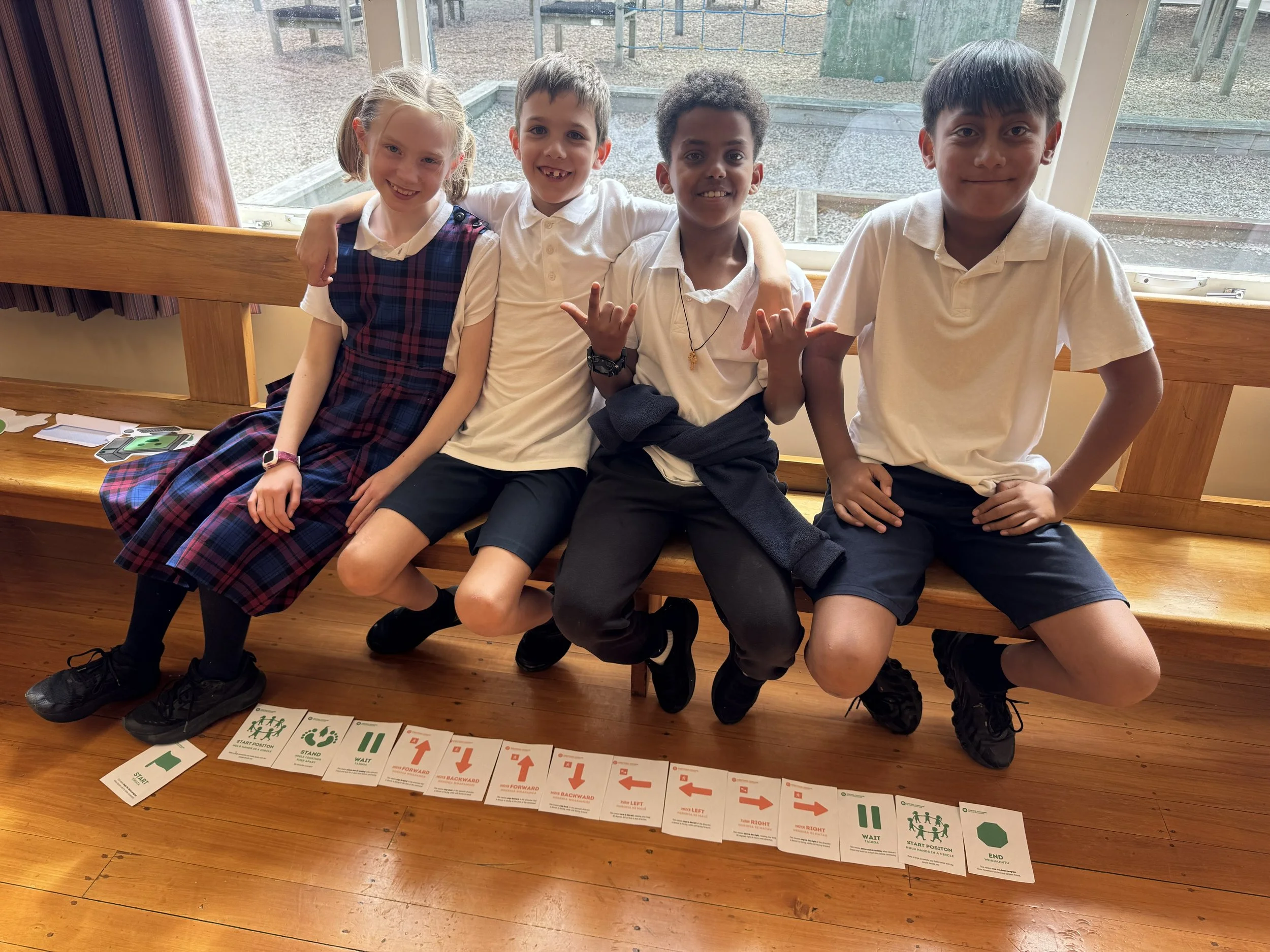
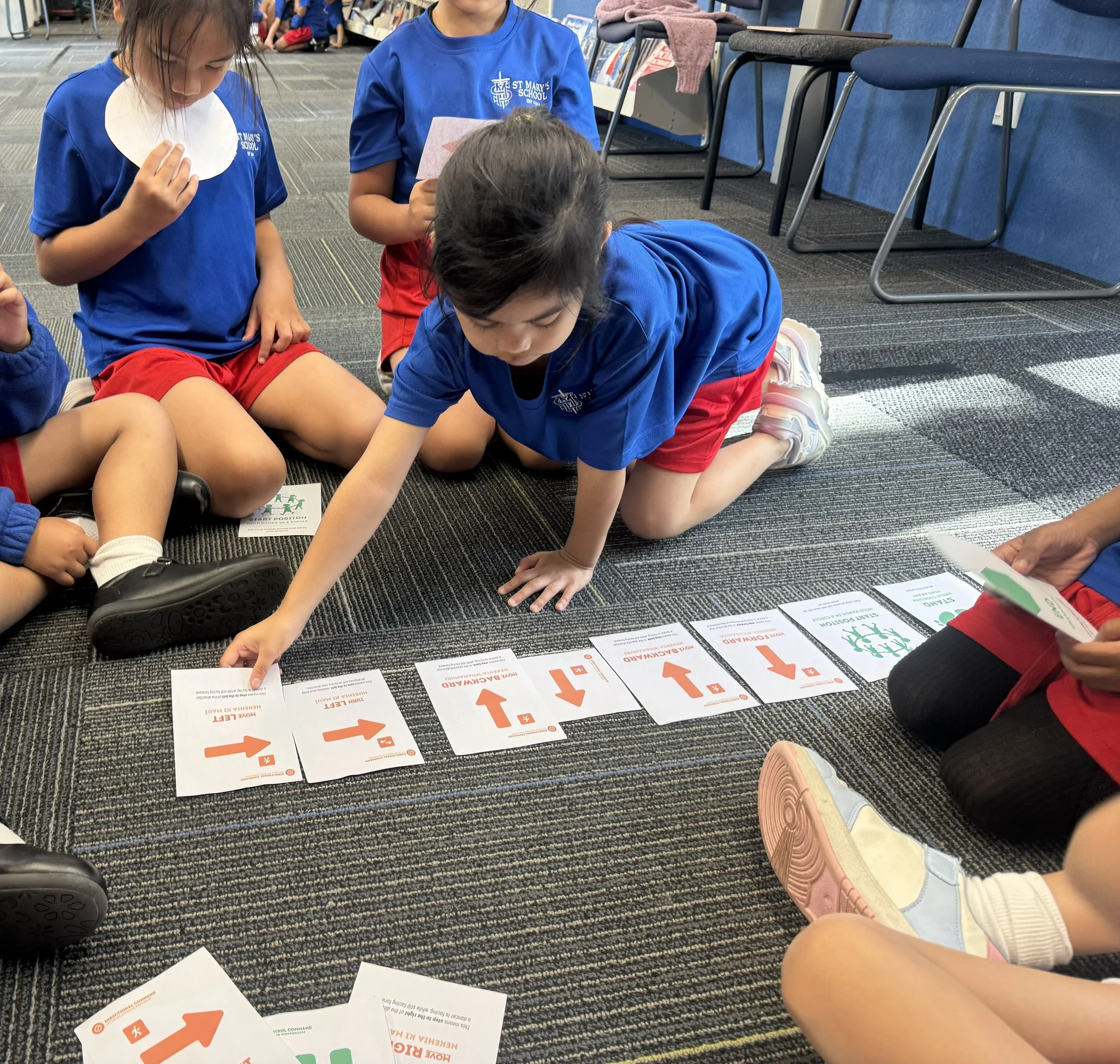
Pages 1 & 2 introduce the Irish dance and help construct the algorithm step by step, block by block.
Page 3 offers ‘tips & tricks’ to support effective design and facilitation of the activity in your learning environment.
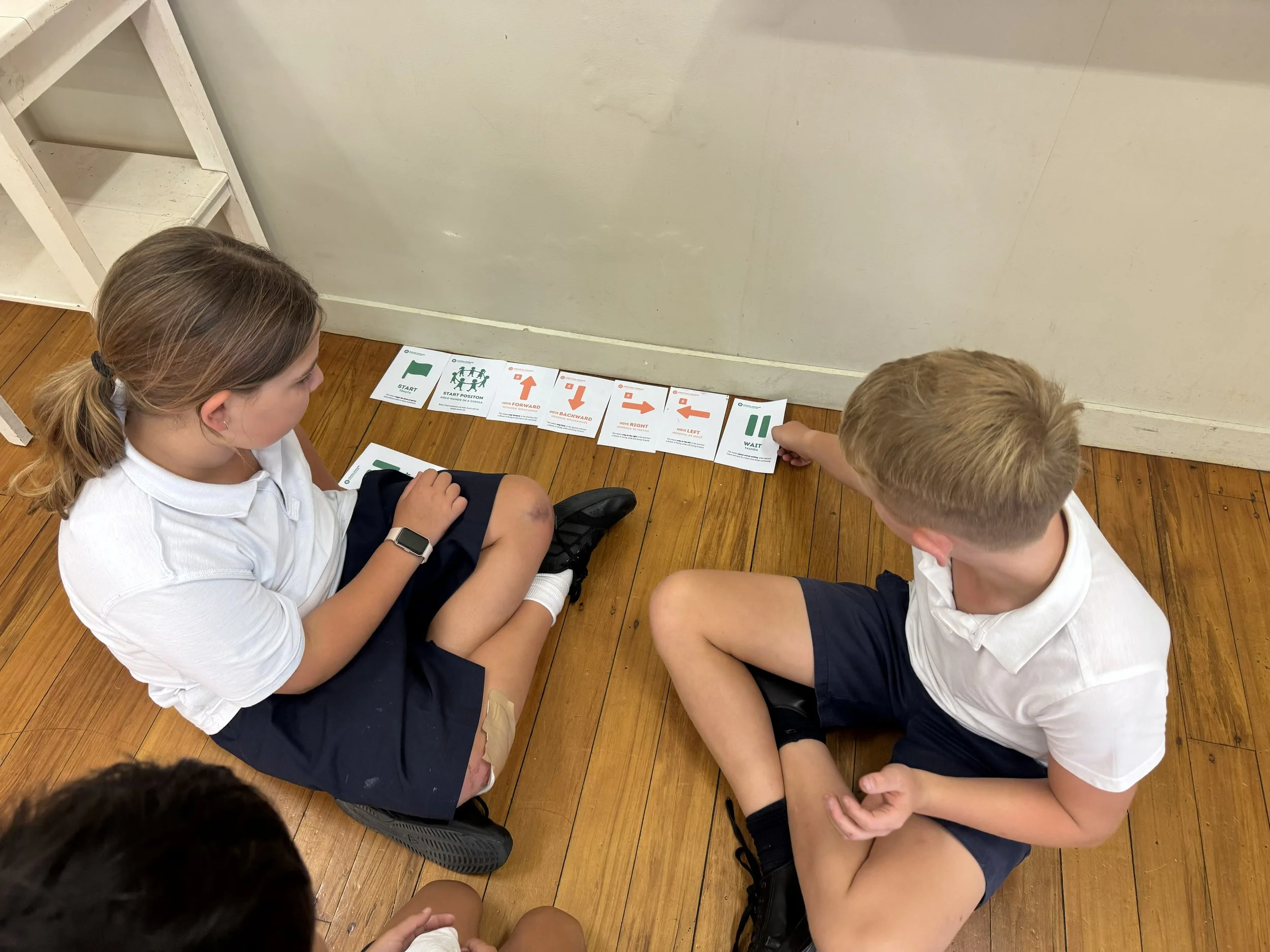
Code Block Guide (Glossary of Commands)
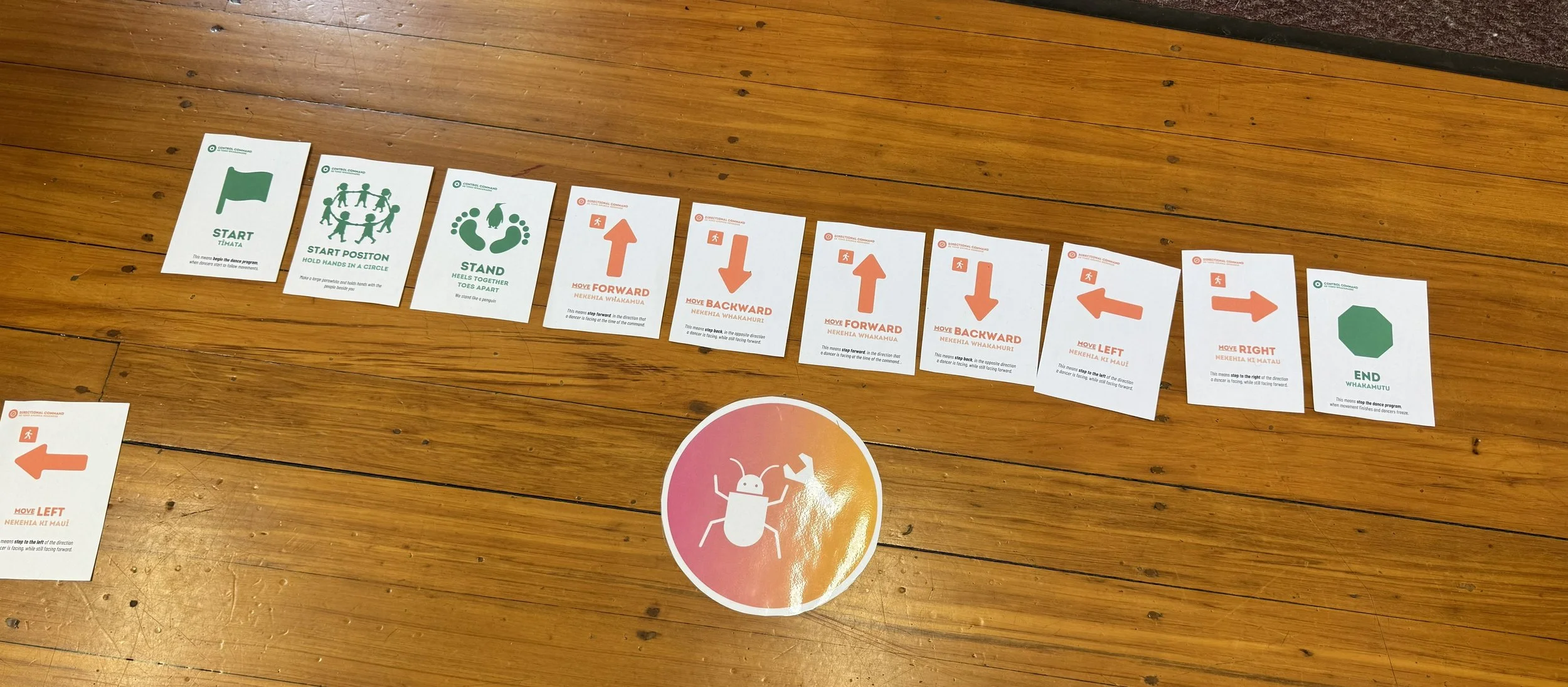
This code block identification guide helps explain the function of the different code block commands for this dance activity.
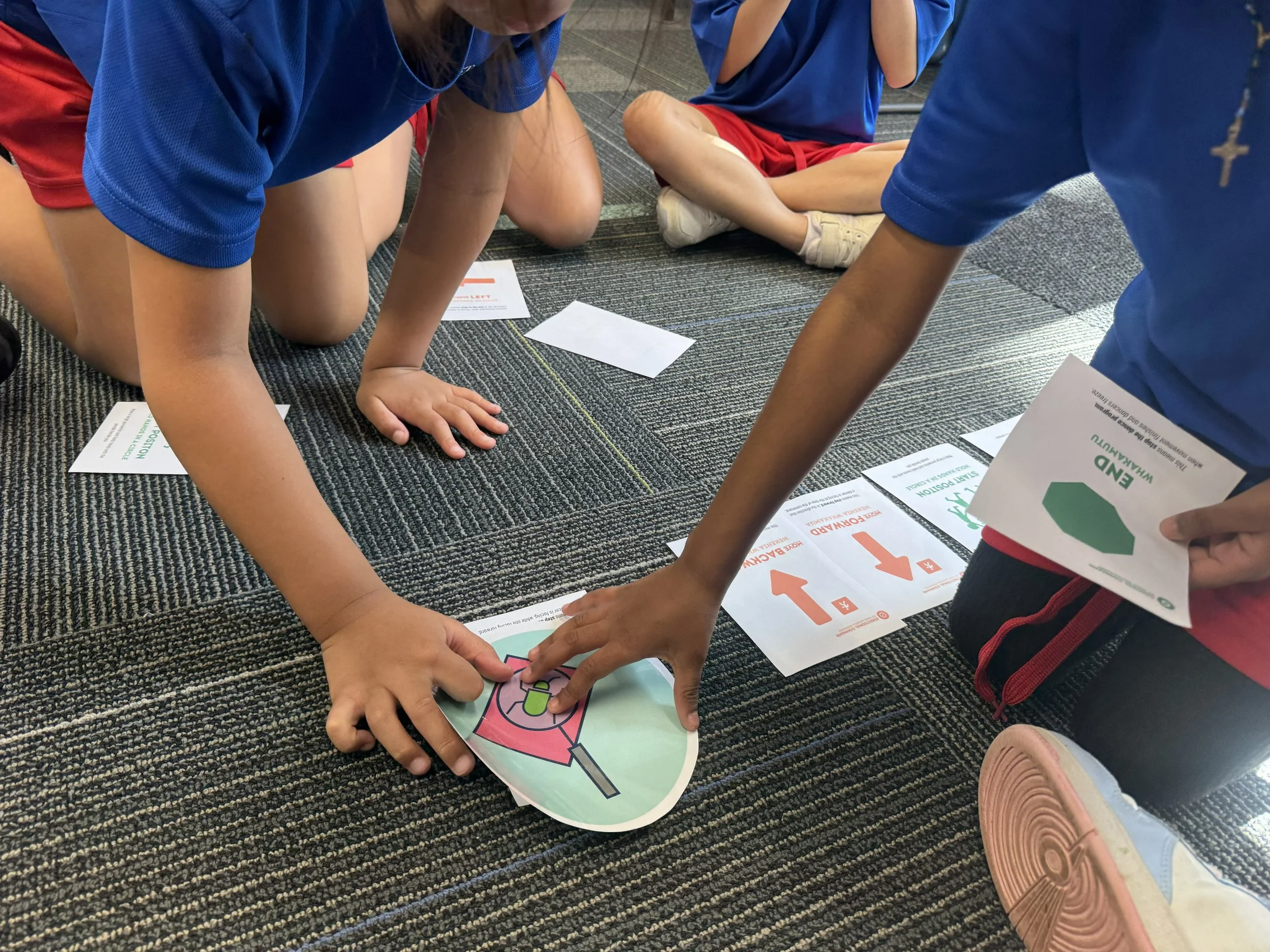
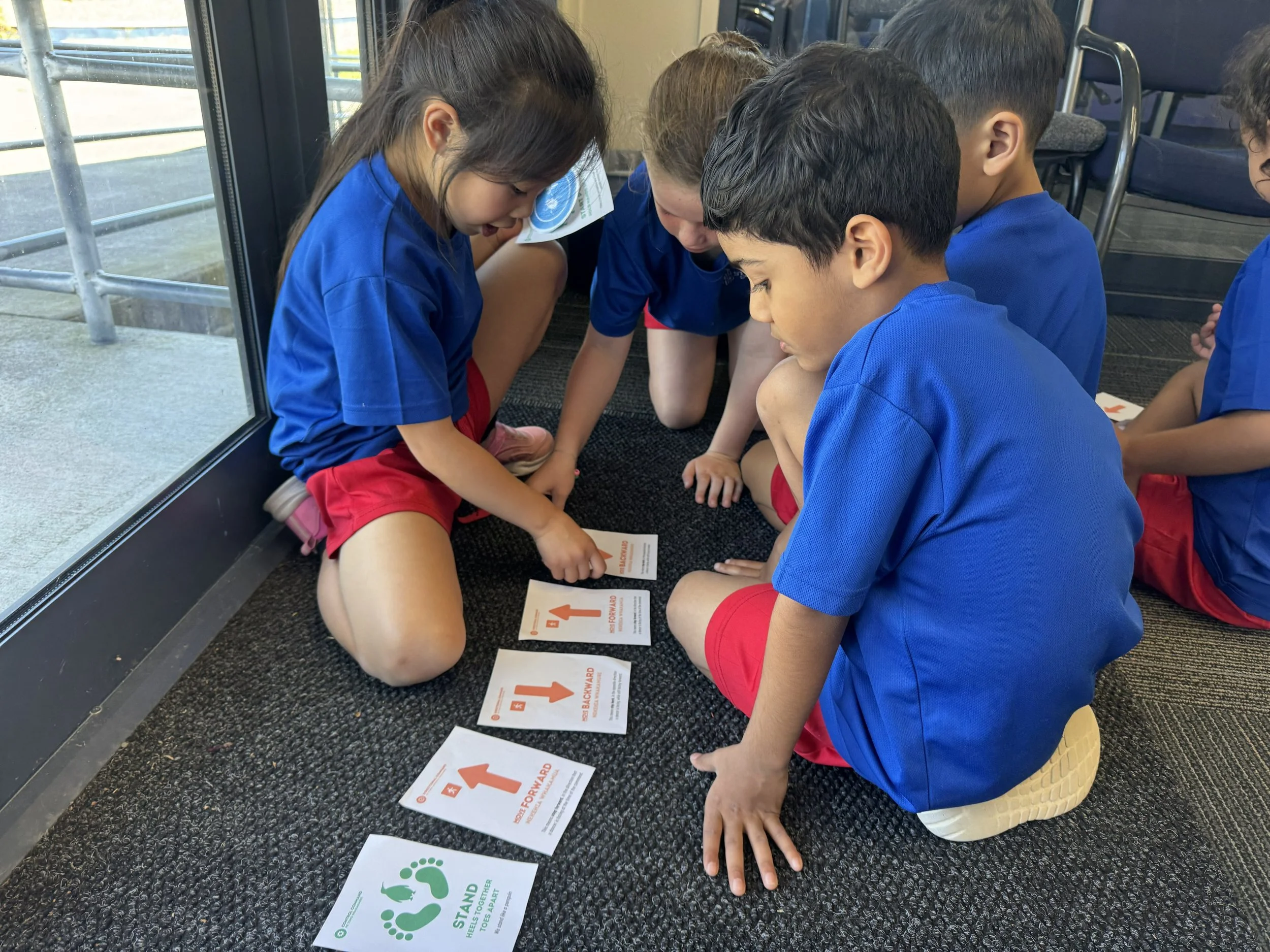
Code Block Card Sets (Printable Command Blocks)
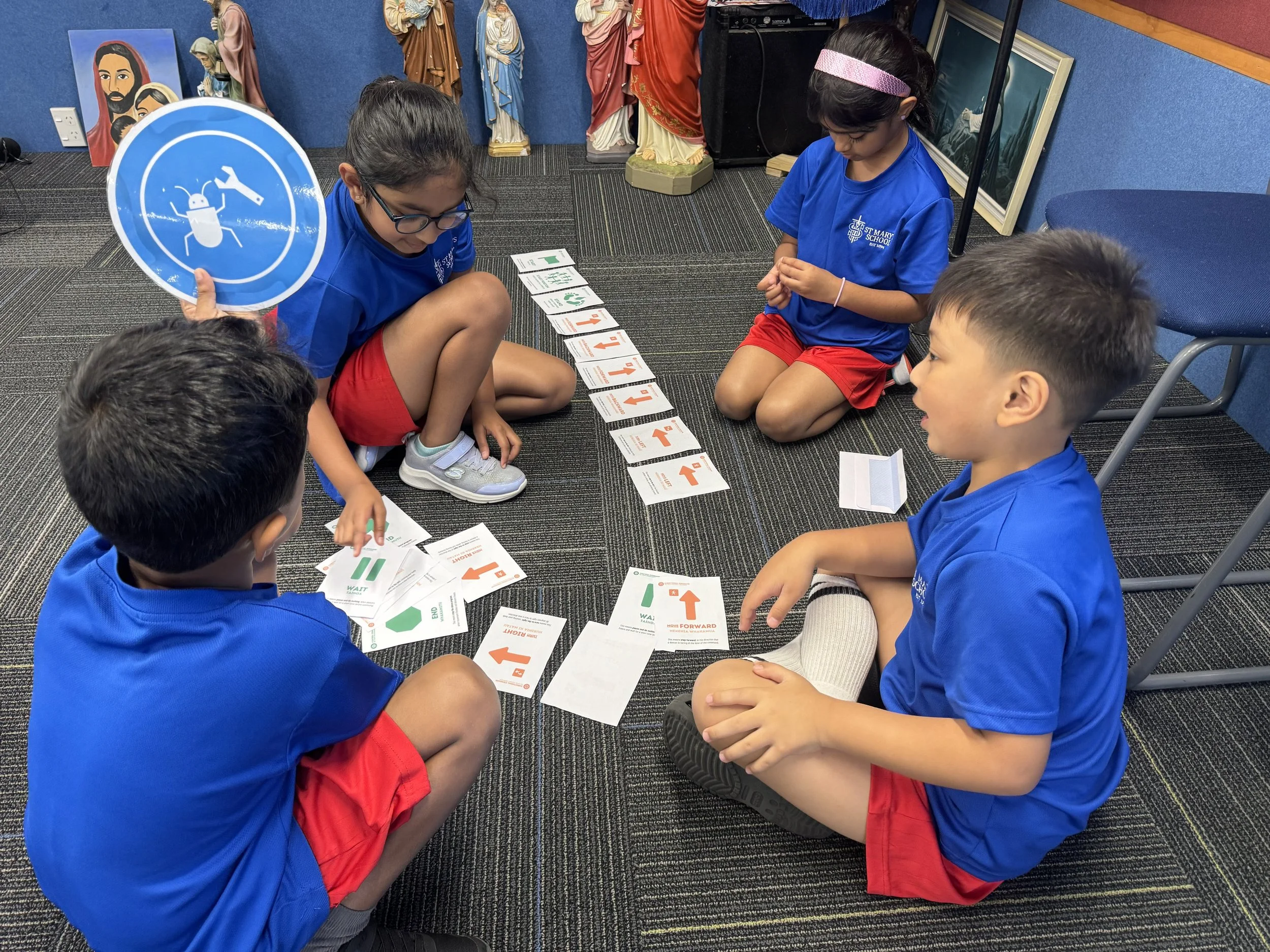
View and print these code block sets for learners to visually arrange and rearrange their sequences of code by hand using the cards.
Print 4 x code blocks per A4-sized page (equivalent to A6 size).
Except loop command block cards.
Loop command blocks need to be 4x scale of the other cards.
Print 1 x loop code block per A4-sized page.
Print enough cards to allow learners creative freedom when building their algorithms and to repeat commands if needed.
Print at least 2 x copies of each command sheet per group.
Work together as a class on a single group algorithm to reduce resource requirements (fewer copies, less printing).
If working in smaller groups, make sure to print enough copies so that each group has what they need.
Conditional Commands represent more advanced coding concepts.
Consider introducing these for learners Y5 and up.
Consider these as an extension challenge for keen learners.
Debugging Visual Prompt Cards (Printable Tokens)
View and print these fun, moveable tokens to help learners visually mark and address errors they spot in their code sequences.
Reel 113, Pt.7 (Example Céilí Music, YouTube)
This video features an example song, or ‘reel’ as it’s called in Irish Ar Rincí Céilí, that is a traditional tune suited to this activity.